
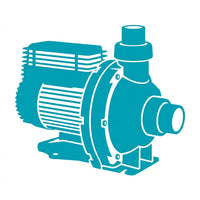
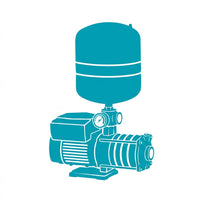



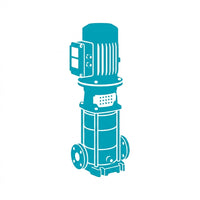


A pool pump rarely fails without giving some warning. Reduced return flow, a noisy motor, air bubbles under the pump lid or a basket that keeps filling with leaves are all signs that routine attention is overdue. Learning how to maintain a pool pump protects water circulation, reduces strain on the motor and helps avoid a breakdown in the middle of swimming season.
Pool pump maintenance is not complicated, but it needs to be regular. The right routine depends on pool size, surrounding trees, bather load, pump type and whether the system uses a single-speed or variable-speed pump. A well-maintained pump should run quietly, hold its prime and deliver consistent water flow through the filter and back to the pool.
How to Maintain a Pool Pump Safely
Always switch off power at the isolator before opening the pump lid, removing the basket or inspecting wiring. Do not rely on the timer alone. If the pump has been running, allow the motor to cool before touching it, particularly during hot Australian summers.
Before restarting, make sure the pump lid is correctly fitted, the O-ring is clean and the basket is seated properly. Running a pump with a poorly sealed lid can draw air into the suction line, causing loss of prime and poor filtration. Never run the pump dry for longer than necessary. The mechanical seal relies on water for cooling and lubrication, and dry running can damage it quickly.
Check and Empty the Pump Basket
The pump basket is the first line of defence against leaves, hair, gum nuts and larger debris entering the impeller. Check it at least weekly in normal conditions, and more often if the pool sits near trees or receives heavy use. During windy weather or after a storm, it may need attention every few days.
To empty it, isolate the pump, close valves if fitted and release pressure carefully. Remove the clear lid, lift out the basket and rinse it with a hose. Check for cracks or a warped rim, as a damaged basket can allow debris through to the impeller. Clean the lid seating surface as well, then refit the basket and lid without overtightening.
A basket that is consistently packed with debris does more than reduce flow. It makes the pump work harder, can lead to cavitation and may contribute to overheating. If leaf load is a constant issue, a pool cover, skimmer sock or more frequent skimmer cleaning may reduce the workload on the pump.
Keep the Lid O-Ring and Seals in Good Condition
A sound lid O-ring is essential for maintaining suction. Inspect it whenever the basket is removed. Look for flattening, splits, hardening or stretching. Wipe away grit and apply a light coating of silicone-based pool lubricant if required. Petroleum-based products can damage some rubber compounds, so avoid using general-purpose grease.
Air leaks on the suction side are common and are not always obvious. You may see bubbles under the pump lid, bubbles returning through the pool jets, or fluctuating pressure at the filter gauge. Check the lid, drain plugs, unions and valve seals first. A leaking union may only show itself while the pump is off, whereas a suction leak may draw in air without leaving water on the ground.
Water dripping from between the motor and pump housing is different. This often points to a worn mechanical seal. It should be assessed promptly, as ongoing leakage can damage the motor bearings and electrical components.
Maintain Water Level and Prime Properly
Keep the pool water level around the middle of the skimmer opening. If it falls too low, the skimmer can pull air into the line and the pump may lose prime. If it is too high, the skimmer may not draw surface debris effectively.
After cleaning the basket or draining the system, refill the pump housing with water before replacing the lid. Open any necessary valves, start the pump and watch through the clear lid. A properly primed pump should fill and clear most air within a short time. If it does not, stop the pump rather than letting it run dry, then check water level, valves, lid sealing and suction blockages.
Some air movement is normal immediately after opening the pump. Persistent air, however, is a maintenance issue worth resolving. It reduces circulation and can make the pump louder than it should be.
Watch Flow, Pressure and Pump Noise
Your pool system has a normal operating pattern. Once you know the usual return flow, filter pressure and motor sound, changes are easier to identify early.
Low flow can be caused by a full pump basket, blocked skimmer, dirty filter, closed valve, air leak or obstructed impeller. High filter pressure usually indicates the filter needs cleaning or backwashing, depending on the filter type. It does not automatically mean the pump is faulty. Cleaning a cartridge or backwashing a sand or media filter at the correct interval removes resistance from the system and reduces load on the pump.
A rattling sound may indicate debris near the impeller. A high-pitched whine can be associated with worn bearings, while a grinding noise or regular tripping of the circuit protection needs professional attention. Do not keep restarting a pump that hums but does not start. The issue may be a capacitor, motor fault or jammed impeller, and repeated attempts can cause further damage.
Inspect the Motor Area and Base
Keep the area around the pump clean, dry and well ventilated. Remove leaves, grass clippings and stored items that could restrict airflow around the motor. Pool pumps are designed for outdoor service, but they still need protection from flooding, sprinkler spray and poor drainage.
Check that the pump is firmly mounted and that pipework is adequately supported. Vibration can loosen unions, crack fittings and shorten the life of the motor. A level concrete pad or stable equipment base is preferable to temporary timber supports or uneven pavers.
Look over visible electrical connections and the power lead for damage, but leave electrical repairs to a licensed electrician or qualified pool technician. Water, electricity and improvised repairs are not a safe combination.
Set a Sensible Run Time
A pump needs enough daily run time to circulate the pool volume through the filtration system, but more running is not always better. The correct schedule depends on pump flow rate, pool volume, filter condition, water temperature and usage.
In warmer months, many residential pools need longer daily circulation than they do in winter. Heavy bather loads, storms and algae treatment may also justify extra running time. A variable-speed pump can often operate for longer at a lower speed, maintaining circulation while using less energy than a single-speed model. The trade-off is that low speed must still provide enough flow for filtration, heating, chlorination and cleaning equipment.
If an automatic chlorinator, heat pump or suction cleaner is installed, confirm that the pump speed and timer allow each item to operate correctly. A system that runs cheaply but does not generate chlorine or move enough water through the heater is not properly set up.
Clean the Filter as Part of Pump Maintenance
The pump and filter work as one system. A clean pump basket will not solve poor circulation if the filter is blocked. Follow the manufacturer’s cleaning procedure for your filter type and avoid over-cleaning media or cartridges unnecessarily.
For sand and glass media filters, backwash only when the pressure rises above the normal clean reading by the recommended amount. Backwashing too often wastes water and can reduce filtration efficiency. Cartridge filters should be removed and rinsed carefully when pressure rises or flow drops, then inspected for tears, collapsed bands or hardened debris.
Record the normal clean filter pressure somewhere near the equipment pad. It gives you a practical reference point and makes it easier to tell whether a change is caused by the filter or the pump.
Seasonal Checks That Prevent Larger Repairs
At the start of the swimming season, inspect the pump lid, O-rings, unions, valves, basket, drain plugs and motor area before increasing run time. Check that timers are accurate after daylight saving changes and confirm that the pump primes easily.
During winter, reduce run time only as far as water quality and local conditions allow. Stagnant water can create a more expensive problem than the electricity saved. In frost-prone areas, follow the pump manufacturer’s advice for protecting pipework and equipment from freezing.
Arrange service if the pump has recurring air leaks, visible seal leakage, overheating, bearing noise, electrical faults or repeated loss of prime. Replacing a seal, bearing or capacitor early is generally less costly than waiting for motor damage or a complete pump failure. For older equipment, compare the repair cost with the operating cost and suitability of a current replacement. A correctly sized variable-speed pool pump may be a worthwhile upgrade, but only if the rest of the system can support it.
A few minutes spent checking the basket, water level and filter pressure each week can keep a pool pump reliable for years. When the sound, flow or pressure changes, treat it as useful information and address the cause before it becomes a shutdown.