




Low shower pressure usually gets the blame on old pipework, but just as often the real issue is pump selection. A pressure pump for home water supply needs to do more than boost flow at one tap. It has to match the way your household uses water, the source feeding the pump, and the pressure your plumbing system can handle without constant cycling or premature wear.
For Australian homes, that can mean very different setups. A suburban house may need better pressure from a mains-connected system on a large block, while a rural property may rely entirely on rainwater tanks or a bore-fed supply. The right answer is rarely the biggest pump on the shelf. It is the pump that delivers stable pressure, sensible running costs and reliable service over time.
What a pressure pump for home water supply actually does
A domestic pressure pump moves water from a source such as a tank, break tank or low-pressure line and pushes it through the home at a usable pressure. In practical terms, that means better shower performance, more consistent flow to taps, and enough supply for appliances such as washing machines, toilets and irrigation points.
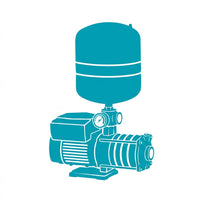
Most home systems use either a pressure controller or a pressure tank arrangement to manage pump operation. A pressure controller starts the pump when water demand begins and stops it when flow ceases. A pressure tank system stores some pressurised water, which can reduce cycling and smooth out operation. Neither is automatically better in every case. If the home has frequent small draw-offs, such as toilet refills or minor tap use, a pressure tank setup can be gentler on the system. If space is tight and demand is straightforward, an integrated pressure unit may be the cleaner option.
Start with the application, not the brand
Brand matters, especially when you want proven support, spare parts and known performance. But application comes first. A pressure pump that works well on one property can be completely wrong on another.
The first question is the water source. Tank water, mains backup, bore supply and transfer arrangements all place different demands on the pump. Water quality matters too. Clean rainwater from a well-maintained tank is one thing. Sandy or sediment-laden water is another. Some pumps tolerate marginal water conditions better than others, but no domestic pressure pump will perform well for long if the water source is poor and filtration has been ignored.
The next question is demand. A two-bathroom family home with two showers running in the morning peak needs a different duty point from a small weekender occupied by one or two people. If you also want the pump to feed outdoor taps, garden irrigation or a pool top-up line, that load needs to be included.
Sizing a home pressure pump properly
This is where many buying mistakes happen. People focus on maximum pressure or maximum litres per minute without looking at the actual operating point. In pump terms, the useful question is simple: how much flow do you need, and at what pressure?
For a typical house, you are usually aiming for enough flow to run multiple fixtures comfortably at once. That might mean one shower and one tap, or two showers plus a toilet refill and kitchen use. If the pump is undersized, pressure drops when more than one outlet opens. If it is oversized, the system may become noisy, waste energy and cycle too aggressively.
Static head also matters. If the pump has to push water uphill from a ground-level tank to a double-storey home, the pump must overcome that elevation before it delivers any useful pressure at the outlet. Long pipe runs, small-diameter pipe and restrictive fittings add friction losses as well. On paper, a pump may look strong enough. In the real world, pipework layout can change the result substantially.
A good selection process considers:
- required flow during peak household use
- desired outlet pressure at fixtures
- suction conditions and water source setup
- vertical lift and pipe friction losses
- whether the pump will run continuous household demand only or also service irrigation and outdoor use
Pressure, flow and comfort
Householders usually describe the problem as poor pressure, but what they notice is often a mix of pressure and flow. A shower feels weak if pressure is low, but it also feels weak if the system cannot maintain enough volume when another tap opens elsewhere.
That is why the best pressure pump for home water supply is not simply the one with the highest pressure rating. You want stable performance across normal household demand, not a big headline number that only applies under limited conditions.
There is also a point where more pressure stops being useful. Excess pressure can stress plumbing components, cause leaks to show up sooner and shorten the life of valves and flexible hoses. In homes with older pipework, that trade-off matters. Boosting performance should improve water use, not create a maintenance problem.
Noise, cycling and day-to-day reliability
A pump may only run for short periods, but if it is installed near bedrooms, living areas or a laundry wall, noise becomes a real issue. Pump design, motor quality, mounting method and installation all affect how much noise travels through the house.
An oversized pump can be especially frustrating because it may start and stop rapidly on low flow demand. That repeated cycling is hard on components and annoying to live with. A properly matched system, often with the right control arrangement and in some cases a pressure vessel, usually feels more settled in day-to-day use.
If low noise matters, look at more than the brochure claim. Consider where the pump will sit, whether it is mounted on a solid base, and how the pipework is supported. Even a good pump can sound rough if the installation is poor.
Single-stage, multistage and integrated systems
For many domestic applications, compact pressure systems with integrated control are a practical choice. They are straightforward to install, commonly used on tank water systems, and suit households that want reliable automatic operation without a complex layout.
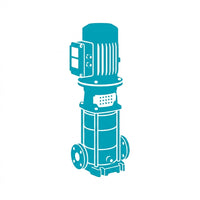
Multistage pumps are often worth considering when you want stronger pressure performance with efficient, smooth delivery. They are commonly used where the house requires higher pressure consistency or where the system needs to handle a more demanding duty. They can cost more upfront, but the operating feel is often better, especially across varied household use.
There is no universal winner between pump types. A small home with moderate demand may be well served by a compact pressure unit. A larger home, long pipe run or higher-end domestic setup may justify a multistage option. The right fit depends on the duty, not the category alone.
Installation details that affect performance
Pump selection is only half the job. Installation quality can make a good pump perform badly.
Suction pipework should be sized and laid out to minimise restriction. Long, undersized or poorly sealed suction lines can lead to priming issues, cavitation and erratic operation. Isolation valves, non-return valves and filtration all need to be chosen sensibly for the application. If the system draws from a rainwater tank, the inlet setup and tank outlet condition are just as important as the pump itself.
Electrical supply also needs attention. A pump that is not correctly protected or wired to suit the installation conditions is more likely to fail early. For that reason, pump selection should always be considered alongside plumbing and electrical requirements, not as a stand-alone product decision.
Maintenance and service support matter
Homeowners often focus on purchase price, but whole-of-life value matters more. A cheaper unit with limited parts support can become expensive if a controller fails and the whole pump ends up in the bin. Established pump brands generally offer better parts availability, known service pathways and more predictable long-term support.
That is one reason buyers often prefer specialist suppliers over general retailers. When the pressure drops, the pump trips, or the household demand changes, practical advice matters. Foundation Pumps works with customers who need that application-based support, whether they are replacing a failed home unit or specifying a more dependable setup from the start.
When to replace instead of repair
Not every poor-performing pressure pump needs replacement. A blocked filter, failed non-return valve, waterlogged pressure tank or worn pressure controller can all mimic major pump problems. In other cases, the pump itself is worn, undersized for the property, or simply the wrong type for the application.
Replacement usually makes sense when the unit is cycling excessively, struggling to maintain pressure under normal household demand, leaking from the casing or seals, or becoming uneconomical to service due to age and parts availability. If the household has grown or the plumbing layout has changed, it can also be worth reassessing the original sizing rather than swapping like for like.
Choosing a pressure pump for home water supply is less about buying extra power and more about getting the right balance. When the pump suits the source, the home and the daily water demand, the system disappears into the background and just does its job. That is the result most households are after, and it is usually achieved by careful selection well before the pump is switched on.