
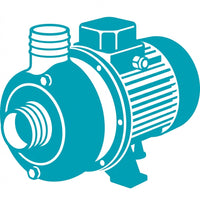
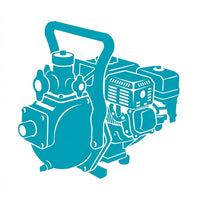
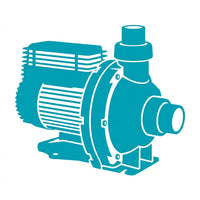
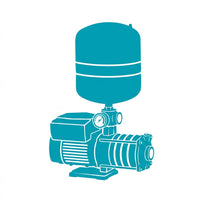

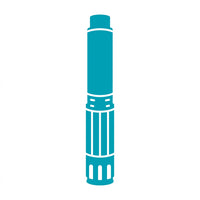

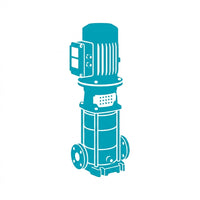


A centrifugal pump that hums but delivers no water is often not a failed pump. It may simply be full of air. Knowing how to prime a centrifugal pump correctly is a basic but critical skill for household water supply, irrigation, transfer and many commercial water systems. Get it wrong and the pump can run dry, overheat its seal and leave you with an avoidable repair.
Priming means filling the pump casing and suction line with water so the impeller can create the pressure difference needed to move water. Unlike a positive displacement pump, a standard centrifugal pump cannot usually pull air out of an empty suction pipe and then lift water from the source. It needs water in the casing before it can do its job.
Why centrifugal pumps lose prime
A pump may lose prime after installation, maintenance, an extended shutdown or a power interruption. It can also happen when the water source runs low, a foot valve leaks, a suction fitting admits air, or the suction line has a crack.
The symptoms are familiar: the motor runs, but there is little or no discharge; pressure will not build; or the pump surges, spits water and then loses flow again. Do not assume the motor is at fault. First establish whether the pump and suction line are properly primed and sealed.
A self-priming centrifugal pump is more tolerant of air than a standard model, but it still requires an initial fill of water in its casing. It may also need repriming if it has drained completely or if an air leak is present on the suction side.
Before you prime the pump
Isolate the electrical supply before removing a priming plug, opening pipework or placing hands near the pump. For hard-wired equipment, use the local isolator. Allow a hot pump to cool before handling it.
Confirm that the suction line is connected to a reliable water source and that the source has sufficient water above the end of the suction pipe. For a tank, dam, creek or bore application, check the inlet strainer is submerged and clear of debris. A blocked strainer can look much like a priming problem.
Also check the basic valve positions. The suction isolation valve, if fitted, must be open. On the discharge side, follow the pump manufacturer’s guidance. Many small pressure and transfer pumps can be started with the discharge valve open. Larger systems may use a partially closed discharge valve during starting to control load, but never operate against a closed discharge valve for longer than the manufacturer permits.
You will generally need clean water, a hose or bucket, and a suitable spanner or screwdriver for the priming plug. Keep rags nearby, as some spillage is normal.
How to prime a centrifugal pump step by step
1. Locate the priming point
Most centrifugal pumps have a priming plug or filler port at the highest point of the pump casing. It is often a threaded plug on top of the volute, near the inlet or outlet. Do not confuse it with a drain plug, which is normally located lower on the casing.
If the pump has a pressure controller, cover or unusual pipe arrangement, check the pump manual before removing any plugs. Forcing the wrong fitting can damage threads or release water from the system unexpectedly.
2. Fill the casing completely
Remove the priming plug slowly. Pour clean water into the opening until the pump casing is completely full. On a short suction lift installation with a sound foot valve, this may take only a few litres.
For a longer suction line, water may continue disappearing into the pipe as it fills. Keep adding water until the level remains near the top of the priming port. This indicates the casing and, ideally, the suction line have filled.
If the water immediately drains away and will not stay in the pump, the foot valve or non-return valve may not be holding. In that case, repeated priming is unlikely to provide a lasting fix. Inspect the valve, suction pipe and fittings before proceeding.
3. Refit the plug and check the seal
Refit the priming plug firmly, using the correct washer, O-ring or thread seal as specified for the pump. Do not overtighten plastic plugs or fittings. A damaged plug or poor seal can draw air into the casing and make the pump difficult to prime.
Check that all suction fittings are tight. Even a small air leak on the suction side can prevent a pump from lifting water, yet may not leak water externally. This is why suction pipework needs particular care. Use pipe and fittings rated for suction service, not light-duty hose that can collapse under vacuum.
4. Start the pump and watch its response
Restore power and start the pump. A correctly primed pump should begin moving water and building pressure within a short period. The exact time depends on the suction lift, line length, pipe diameter and pump size, but it should not be left to run dry while you wait.
Watch the discharge flow or pressure gauge. Once water is flowing consistently, inspect the pump, plug and suction connections for leaks. If the pump is connected to a pressure system, allow it to reach cut-out pressure and confirm it stops normally.
5. Stop and investigate if it does not pick up water
If there is no flow after a brief, reasonable attempt, switch the pump off. Do not keep restarting it in the hope that it will eventually prime. Dry running can damage the mechanical seal, particularly on pumps that rely on pumped water for cooling and lubrication.
Allow the pump to stop, then repeat the filling process once. If it still will not draw water, there is usually an underlying issue rather than a shortage of priming water.
Common reasons a pump will not prime
The most common fault is an air leak in the suction line. Check threaded joints, unions, hose clamps, cracked pipe, pump inlet seals and the priming plug. A suction leak may be too small to drip water but large enough to stop the pump creating vacuum.
A failed foot valve is another regular cause. The foot valve sits at the end of the suction line and holds water in the pipe when the pump stops. If it leaks internally, the line drains back to the source and the pump loses prime between cycles. Remove and clean the valve if debris is suspected, or replace it if the sealing surface, spring or flap is worn.
Suction lift also matters. At sea level, the theoretical lift limit is around 10 metres, but real installations have lower practical limits once friction losses, temperature, altitude and pipework are considered. For many surface centrifugal pumps, keeping the vertical suction lift below about 6 to 7 metres gives more dependable results. Long horizontal runs, undersized pipe and restrictive fittings reduce performance further.
Other possible causes include a blocked inlet strainer, insufficient water at the source, a suction line that rises and traps air, a reversed foot valve, incorrect pump rotation on three-phase equipment, or an impeller blocked by debris. On a new installation, check that the inlet and outlet have not been accidentally swapped.
Installation details that help a pump hold prime
A reliable priming setup starts with sound suction pipework. Keep the suction line as short and straight as practical, use adequate pipe diameter, and avoid high points where air pockets can collect. The line should rise continuously towards the pump where possible.
Fit a quality foot valve and strainer where the pump draws from an open water source. The strainer should remain well below the water surface but above the bottom, where it is less likely to collect silt. In tank applications, make sure the water level cannot fall below the inlet during normal operation.
Where a pump is installed above the water level, maintaining a watertight suction line is non-negotiable. If the application has a difficult suction lift, frequent loss of prime or variable source levels, a submersible pump or a different system design may be more suitable than forcing a surface pump to work at its limit.
For larger irrigation, transfer and commercial systems, include accessible isolation points, pressure gauges and service connections. These make it easier to verify prime, identify restrictions and carry out maintenance without dismantling the whole installation.
When to call for pump support
A pump that repeatedly loses prime needs attention before it damages itself or disrupts water supply. Persistent problems may point to worn mechanical seals, a damaged impeller, cavitation, an incorrectly sized pump, pipework restrictions or a control issue rather than a simple priming fault.
Foundation Pumps can assist with pump selection, fault finding, repairs and replacement components where the issue goes beyond routine priming. Having the pump model, motor details, suction lift, pipe size and a clear description of the symptoms will make diagnosis faster.
Treat a lost prime as useful information. A properly installed centrifugal pump should start, build pressure and hold its prime reliably, so repeated priming is a prompt to inspect the system before a small air leak becomes a costly downtime problem.