
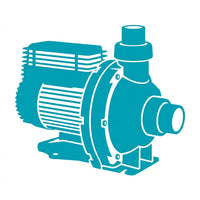
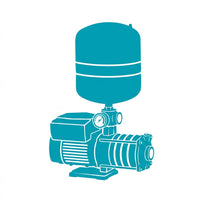

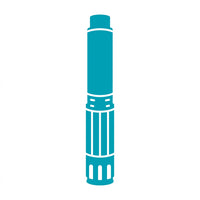

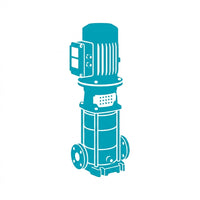


A pump rarely fails without giving some warning. Reduced pressure at the tap, a longer fill time, cycling that was not there last month, or a new rattle from the motor can all point to a developing problem. A practical pump maintenance checklist helps catch those signs before a domestic water supply, irrigation run, drainage system or commercial process is interrupted.
The right routine depends on the pump, the water being moved and the consequences of downtime. A clean-water pressure pump at a home needs different attention from a slurry-duty transfer pump, bore pump, sewage pump or pool circulation system. Still, the core checks below apply across most installations and give operators a clear starting point.
Start safely before inspecting the pump
Isolate electrical power before removing covers, opening terminals or handling a pump that may start automatically. Lock out the supply where site procedures require it, and confirm the unit cannot be triggered by a pressure switch, float switch, timer or controller. Pumps, pipework and motors can also remain hot after operation.
Do not open a pressurised line, pressure vessel or pump casing until pressure has been released. For wastewater, chemical dosing, mining or industrial applications, use the required personal protective equipment and follow the site safety procedure. If a fault involves wiring, insulation, control gear or a three-phase motor, arrange assessment by a qualified electrician or pump technician.
Pump maintenance checklist: checks during normal operation
A short visual and listening check while the system is operating is often the most useful maintenance task. It takes only a few minutes and provides a baseline for how the equipment should sound and perform.
Check the following:
- Flow and pressure: Confirm the discharge pressure, flow rate or sprinkler performance is consistent with normal operation. Falling performance may indicate a blocked suction strainer, worn impeller, air leak, restriction, low water level or a problem in the pipework.
- Noise and vibration: Listen for grinding, screeching, knocking or repeated clicking. Excessive vibration can loosen fittings and damage bearings, seals and pipe supports. Cavitation often sounds like gravel or marbles passing through the pump and should be investigated promptly.
- Leaks: Look around the mechanical seal, casing joins, valves, unions and pipe connections. A small seal leak can become a motor-damaging failure if water reaches the bearing housing or electrical components.
- Cycling behaviour: Pressure pumps should not start and stop repeatedly when no water is being used. Short cycling commonly points to a pressure vessel issue, pressure-switch setting, leak, faulty non-return valve or controller fault.
- Electrical condition: Check that cables, plugs, isolators and control enclosures are dry, secure and undamaged. A hot motor casing, tripped breaker or burnt smell needs attention rather than a reset and restart.
Inspect the water source and suction side
Many pump faults begin before water reaches the pump. A centrifugal pump cannot compensate for a blocked inlet, collapsing suction hose or inadequate water level. If it is starving for water, it may lose prime, run hot or cavitate.
Inspect strainers and filters regularly, with the frequency based on water quality. Leaves, sand, algae, iron scale and tank sediment can reduce flow surprisingly quickly. Clean the strainer basket or filter element, inspect the seal, then refit it correctly so the suction side remains airtight.
Check suction hoses for soft sections, cracking and loose clamps. On fixed installations, inspect pipe supports and threaded fittings for signs of movement or air entry. A suction leak may not show water on the ground because it draws air inward while the pump runs.
For bore pumps, monitor water level, drawdown and any change in sand content. A bore producing more sand or less water than usual can damage internal components and may require investigation beyond the pump itself. For sump pumps, make sure the pit is clear of debris and that the float can move freely without catching on the discharge pipe or power lead.
Check the pump, motor and controls monthly
Monthly inspection is a sensible interval for regularly used domestic, farm and light-commercial pumps. High-duty equipment, dirty-water applications and critical systems may need more frequent checks under a site maintenance plan.
Begin with the pump casing and base. Look for corrosion, cracked fittings, loose mounting bolts and damage from vibration. Ensure the pump is properly supported and pipework is not hanging from the inlet or outlet connections. Misaligned pipework places load on the casing and can shorten seal life.
Inspect the motor ventilation openings and cooling fan cover. Remove dust, insects, grass clippings and rubbish that restrict airflow. Motors operating in sheds, pump enclosures and hot outdoor locations can overheat if ventilation is poor. Keep the area dry and clear enough for future service access.
Test automatic controls in a controlled manner. On a pressure system, verify cut-in and cut-out operation and compare the pressure gauge reading with expected settings. On a sump or drainage pump, lift the float carefully to confirm the pump starts and stops correctly. Never rely solely on an alarm or controller display without checking that the physical switch and pump respond.
Where fitted, inspect the pressure vessel. Check for external corrosion and water leaks around the connection. A vessel that feels completely waterlogged, or a system that short cycles, may need its air charge checked with the pump isolated and water pressure released. The correct pre-charge setting varies by system, so use the vessel and controller specifications rather than guessing.
Service items that need planned attention
Not every component should be replaced on a calendar date. Service intervals vary with run hours, water quality, motor size, pump type and operating conditions. However, planned inspection reduces the chance of being caught without a seal, capacitor, switch, float or replacement pump when it is needed.
Mechanical seals and bearings deserve close attention where there is persistent leakage, noise or shaft movement. Continuing to run a leaking pump can turn a manageable repair into motor damage. For pumps used seasonally, such as irrigation, firefighting or pool equipment, inspect seals and test operation before the busy period rather than waiting for the first hot day or dry spell.
Check non-return valves where the system loses prime, pressure drops back rapidly or a pump repeatedly restarts. A valve can be obstructed by debris or worn internally even when it looks acceptable from the outside. Likewise, a blocked discharge line, partly shut isolation valve or fouled filter can force a pump to work outside its intended duty.
For diesel-driven or engine-driven pumps, add engine servicing requirements: oil level and condition, fuel quality, battery charge, coolant where applicable, belts, hoses and exhaust condition. Run the unit under load as part of testing. Starting an engine briefly does not prove it can provide the required flow and pressure when called upon.
Seasonal and shutdown checks
Before winter in frost-prone districts, drain exposed pump casings and pipework where the installation is not protected. Frozen water can crack a casing, valve or fitting. In coastal areas, inspect for salt build-up and corrosion more often, particularly around motors, fasteners and electrical enclosures.
Before a long shutdown, clean strainers, flush dirty-water pumps where appropriate, isolate power and protect the equipment from weather and pests. When recommissioning, inspect first, confirm valves are correctly positioned, prime the pump if required, and monitor its initial run. Never allow a pump that requires priming to run dry.
For fire pumps and other life-safety equipment, maintenance and testing requirements may be governed by applicable standards, insurers, equipment manufacturers and site procedures. Those systems need a documented program, not an informal visual check.
Know when a repair is the better option
A failed seal, capacitor, pressure switch or float does not automatically mean the whole pump needs replacing. Repair can be cost-effective when the motor, hydraulics and casing are in sound condition and suitable spare parts are available. Replacement may be the better decision where a pump is repeatedly failing, undersized for the duty, badly corroded or inefficient for its run hours.
Before approving either option, confirm the actual application: required flow, total head, suction conditions, power supply, water quality and control arrangement. Installing the same model again can repeat the same problem if the original pump was incorrectly matched to the system. Foundation Pumps can assist with practical assessment, service support and selecting equipment suited to the duty.
A checklist is only useful when it leads to action. Keep a record of pressures, run time, faults and parts replaced, then investigate changes while the pump is still operating. That small discipline is often what keeps water moving when the system is needed most.