



A pump that loses prime on a hot weekend, delivers weak pressure to a farmhouse, or runs dry at the bottom of a bore is rarely a minor inconvenience. In the submersible pump vs jet pump decision, the right answer comes down to the water source, required pressure, pumping depth and how accessible the equipment needs to be for service.
Both pump types can supply homes, gardens, stock water and irrigation systems. They work in very different ways, however, and fitting the wrong type can mean poor flow, high power use and unnecessary call-outs.
How submersible and jet pumps work
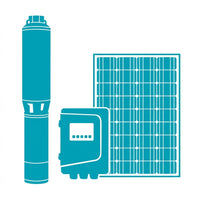
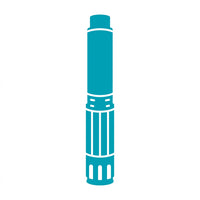
A submersible pump is installed below the water level. For bore applications, the pump is lowered down the bore casing and pushes water up through the rising main to the surface. Other submersible pumps may sit inside a rainwater tank, sump, drainage pit or dam intake arrangement. Because the motor and pumping stages are immersed, the pump does not need to draw water up from above.
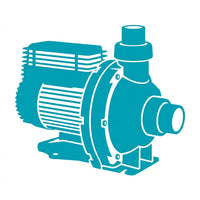
A jet pump sits above ground, usually beside a tank, bore head or water source. It uses suction to pull water towards the pump, then pushes it into the pressure system or delivery pipework. Shallow-well jet pumps are common where water is reasonably close to the surface. Deep-well jet arrangements use an injector or ejector assembly down the bore, allowing the surface pump to work with greater suction depths than a standard suction setup.
This operating difference matters. Pumps are generally more effective at pushing water than pulling it. That is why a submersible bore pump is often the practical choice for deeper water sources.
Submersible pump vs jet pump: the key differences
Water depth and suction limits
Depth is usually the first factor to check. A conventional surface-mounted jet pump is limited by atmospheric pressure and real-world suction losses. Although figures vary with pipe size, temperature, elevation and installation quality, practical suction lift for a standard jet pump is often around 7 to 8 metres.
If the water level in a bore or well falls below that range, a standard jet pump will struggle or fail to maintain supply. A deep-well jet system can extend the usable depth, but it is more specialised and requires the correct injector, pipe configuration and matching pump.
A submersible bore pump has no surface suction limitation because it is positioned beneath the water level. It can be selected for substantial bore depths and long delivery rises, provided its head and flow performance match the application. For rural bores with a static water level well below ground, this is often the deciding advantage.
Do not select from bore depth alone. The important measurement is the pumping water level, also called drawdown level, plus the vertical rise from that level to the delivery point. A bore may be 60 metres deep but have water standing at 12 metres, or it may draw down much further once the pump starts.
Pressure and flow requirements
Submersible pumps are available in multistage designs that can produce useful pressure at significant depths. This makes them well suited to domestic bore supply, livestock watering, irrigation and commercial water transfer where the source is deep.
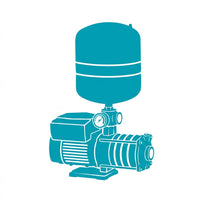
Jet pumps can provide reliable pressure for homes, gardens and tank systems where the water source is shallow and the pipe run is sensible. They are commonly paired with pressure controllers, pressure tanks or variable-speed controls depending on the system design.
Neither pump is automatically better for flow. A pump must be selected against its duty point: the flow required at the total head of the installation. Total head includes vertical lift, pressure needed at outlets, friction losses through pipework and fittings, and any filters, valves or irrigation equipment in the line.
For example, a house needing steady shower pressure and a garden tap needs a different duty point from a sprinkler system running multiple zones. A pump that looks adequate based on litres per minute at zero head may deliver far less once installed.
Installation and service access
A jet pump is accessible at ground level. This is useful where regular inspection is preferred or where a replacement needs to be completed quickly. It also keeps electrical equipment out of the water source, although the pump still needs proper weather protection, sound pipework and a reliable foot valve or non-return arrangement.
A submersible pump is quieter at the surface and protected from weather when properly installed, but pulling one from a bore takes more planning. Deep bore pumps may require lifting equipment, suitable cable handling and care not to damage the rising main or electrical cable. Service access is therefore a genuine trade-off, particularly on remote sites.
Submersible pumps should also be protected against dry running where bore yield is uncertain. Depending on the system, this can involve level probes, current sensing, dry-run protection or a bore controller. Running a bore pump without adequate water can damage pump stages and motors quickly.
Priming, noise and reliability
Jet pumps must be primed before operation and must retain that prime. A small air leak on the suction side, a worn foot valve or a leaking fitting can cause loss of prime and intermittent supply. Long suction lines, undersized pipe and restrictive strainers can make the problem worse.
Submersible pumps are already surrounded by water, so priming is not an issue. They are generally quieter because the motor is below ground or inside the tank. That does not remove the need for good system design: incorrect cable sizing, poor electrical protection, abrasive bore water or frequent start-stop cycles can still shorten service life.
Where each pump is usually the better fit
A submersible pump is generally the stronger option for a deep bore, where water level changes through the season, or where you need to push water over a long rise to a house, header tank or irrigation main. It is also a logical choice for tank, sump and drainage duties where the pump must operate below water level.
A jet pump is often a sensible option for shallow bores, wells, creek draw-off systems and above-ground tank supply where the suction lift is within limits. It can be a practical choice for a homeowner who wants accessible equipment and has a straightforward water source close to the pump location.
For a rural property, the answer may differ across the site. A submersible bore pump might feed a storage tank, while a surface pressure pump or jet pump supplies the house and garden from that tank. Separating extraction from pressure boosting can improve storage capacity and give the system more flexibility during dry periods.
What to check before selecting a pump
Pump selection should start with site information, not just a brand name or motor size. Before ordering, confirm these details:
- static water level and pumping water level for a bore or well
- required flow rate for household use, irrigation or stock water
- vertical lift from the water source to the highest delivery point
- pipe diameter, pipe length and major restrictions such as filters
- available power supply, including single-phase or three-phase requirements
- water quality, particularly sand, silt, iron or corrosive conditions.
Also consider how the pump will be controlled. A pressure controller may suit a simple domestic system, while a pressure tank can reduce cycling and provide more stable operation. Larger irrigation, commercial or variable-demand systems may require a more detailed control arrangement.
Common selection mistakes
The most common mistake is treating a bore as though its full drilled depth is the pumping lift. The next is choosing a pump based on maximum head or maximum flow without checking the performance curve at the actual duty point.
For jet pumps, avoid assuming that a long horizontal suction line is harmless. Friction loss and air leaks on suction pipework can have a major effect. Use adequately sized suction pipe, minimise fittings, maintain airtight joints and fit the correct foot valve where required.
For submersible pumps, avoid installing without checking bore diameter, pump outside diameter, cable length, rising-main rating and electrical protection. A pump that physically fits is not necessarily the correct hydraulic or electrical match.
When the source is a bore, a pump test provides useful information on yield and drawdown. It can prevent a system being sized around water that the bore cannot sustain.
Get the system right, not just the pump
The best submersible pump vs jet pump choice is the one that matches the source and the job without forcing the pump to work outside its efficient range. A shallow, accessible water source may suit a jet pump well. A deeper bore or high-lift supply requirement generally points towards a submersible multistage pump.
If the measurements are uncertain, get the bore details, pipe layout and intended demand checked before installation. Foundation Pumps can help match the pump, controls and accessories to the application, so the system is built for reliable water supply rather than repeated adjustments after the fact.