
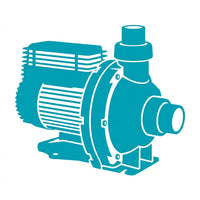
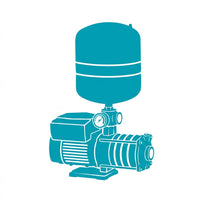

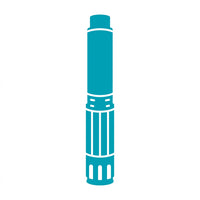

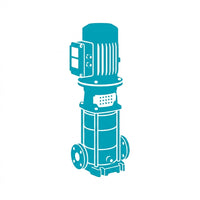


A pressure pump can have plenty of power on paper and still deliver poor shower pressure. A sump pump can run continuously without clearing a pit. In both cases, the issue may be the same: the pump duty point does not suit the system it is connected to. Getting this point right is what separates a pump that simply runs from one that performs reliably for years.
What is a pump duty point?
The pump duty point is the flow rate and head at which a pump actually operates once it is installed in a system. It is usually expressed as a flow figure, such as litres per minute or cubic metres per hour, and a head figure in metres.
For example, a pump may need to supply 80 litres per minute at 32 metres of total head. That combination is its required duty point. It is not enough to know that the pump is rated for 80 litres per minute or has a maximum head of 40 metres. Those two figures may occur at completely different operating conditions.
The duty point is where the pump performance curve meets the system curve. This is the practical operating position, not the best-case number printed on a box or product listing.
Pump curve versus system curve
A pump curve shows what a particular pump can deliver at different head pressures. As head increases, the available flow normally falls. At very low head, the pump may move a high volume of water. At its maximum head, flow reduces to almost nothing.
A system curve shows the resistance created by your installation. This resistance includes the vertical lift, pipe length, pipe diameter, fittings, valves, filters, sprinklers and any equipment downstream of the pump. As flow increases, friction losses also increase, so the system requires more head.
Where those two curves intersect is the actual duty point. If the system changes, the duty point changes too. A dirty filter, partly closed valve or extra irrigation zone can all alter the pump's operating conditions.
Why the correct pump duty point matters
Selecting a pump outside its suitable operating range can create problems that look like equipment faults but are actually application issues. A pump that is too small may not provide adequate pressure or flow at the outlet. A pump that is too large can create excess pressure, noisy pipework, frequent cycling, wasted power and unnecessary wear on fittings.
For domestic pressure systems, an incorrect duty point may show up as fluctuating pressure when two taps are open, poor performance at distant fixtures, or a pump that starts and stops too often. For irrigation, it can mean sprinklers do not throw correctly, zones operate unevenly, or a pump cannot maintain the required pressure as demand increases.
In drainage and sewage applications, the consequences can be more serious. A sump or effluent pump that cannot overcome the required lift and pipe friction may leave water in the pit, overheat, or fail to keep up during heavy inflow. In commercial and agricultural systems, incorrect pump sizing can lead to downtime, higher electricity costs and a shorter service life.
The aim is not to choose the biggest available pump. It is to select a pump that operates efficiently and safely around the required duty point, with sensible allowance for normal variation in the system.
The figures needed to establish duty
A reliable pump selection starts with accurate information about the application. Flow and total dynamic head are the key figures, but each is made up of several practical details.
Required flow rate
Flow is the volume of water the system needs over a set time. The right figure depends entirely on the application. A household pressure system may be sized for simultaneous demand from showers, toilets, appliances and garden taps. An irrigation system needs enough flow for the selected zone, not necessarily the total flow of every zone combined. A transfer pump may need to fill a tank within a certain number of hours.
For a drainage application, consider the likely inflow rate as well as the desired emptying time. If groundwater enters a pit at 150 litres per minute during a storm, a pump delivering less than that at the installed head will not gain control of the water level.
Avoid estimating flow from pipe size alone. A large pipe can carry a high flow, but it does not tell you what the end equipment actually requires.
Static head
Static head is the vertical height the pump must lift water. Measure from the water level at the pump source to the highest discharge point. For a bore pump, use the expected pumping water level rather than only the bore depth. Water levels can drop while pumping, and that additional drawdown affects the real duty.
Static head remains broadly constant regardless of flow. It is only one part of the total head calculation.
Friction loss
Friction loss is the pressure lost as water moves through pipes, bends, valves, filters, non-return valves and other fittings. It rises quickly when flow increases or when the pipe is undersized.
Long suction lines, restrictive strainers and undersized pipework are common causes of poor pump performance. A pump may be correctly selected for the required lift but still fall short because the pipework creates more resistance than expected. This is especially relevant where a pump feeds a tank at the far end of a property, a shed, stock troughs or multiple irrigation zones.
Pipe material, internal diameter, length and fitting quantity all affect friction. A nominal pipe size is not always the true internal diameter, particularly when comparing different pipe classes and fittings.
Pressure required at the outlet
Many systems need pressure at the final outlet as well as flow. A pressure washer, sprinkler, filter, irrigation valve or building water service will only perform properly above its specified operating pressure.
Pressure is commonly converted to head when calculating pump duty. As a useful guide, 100 kPa is approximately 10 metres of head. If a sprinkler requires 300 kPa at the riser, that is roughly 30 metres of head before allowing for lift and friction loss.
How to read a pump performance curve
Pump curves can appear technical, but the basic reading process is straightforward. Flow is usually shown across the horizontal axis, while head is shown on the vertical axis. Find the required flow, move up until you reach the required head, then check which pump curve passes through or just above that point.
Do not select solely from a pump's maximum flow or maximum head. Maximum flow is typically measured with almost no head. Maximum head is measured with no useful flow. Neither represents normal service conditions.
Many pump curves also show efficiency, power demand, impeller diameter and net positive suction head required, often shortened to NPSHr. These details matter more on commercial, industrial and high-flow installations, but they should not be ignored on demanding domestic or farm systems.
A duty point near the pump's best efficiency area is usually preferable because the pump uses energy more effectively and experiences less hydraulic stress. However, the best efficiency point is not the only consideration. The pump must also handle expected variations in demand, water level and pipe condition.
Allow for real operating conditions
A pump system rarely stays exactly as it was on installation day. Filters collect sediment, irrigation fittings are added, tanks sit at different levels, and water sources change with the season. Good pump selection accounts for these variables without adding excessive capacity that creates other issues.
For bore and surface pumps, check the suction conditions carefully. A surface pump cannot pull water indefinitely from below ground. The practical suction lift is limited by atmospheric pressure, water temperature, altitude, friction and losses through the suction line. If the water level is too deep, a bore pump or submersible arrangement may be the better option.
For duty and standby systems, each pump may operate at a different point depending on whether one or both pumps are running. This needs to be assessed during design, particularly for sewage, stormwater and commercial booster applications.
Variable speed pumps can help where demand changes significantly. They adjust motor speed to maintain pressure as flow varies, which can reduce cycling and energy use. They are not a fix for poor pipework or an incorrectly assessed duty point, though. The pump still needs to be capable of meeting peak demand.
Common pump duty point mistakes
The most frequent mistake is selecting a replacement pump by horsepower, motor size or connection size. These details help narrow the options, but they do not establish whether the pump will meet the required flow and head.
Another common error is allowing for vertical lift but overlooking friction and outlet pressure. A pump lifting water 10 metres to a tank may need substantially more than 10 metres of total head once pipe losses, valves and the required filling rate are considered.
It is also easy to assume an old pump was correctly sized because it has been operating for years. If it has always struggled with pressure, cycled excessively or required frequent repair, replacing it with the same model may repeat the problem.
When comparing pump curves, make sure the figures use the same units and relate to the same pump speed, voltage and impeller configuration. A product range may include several versions that look similar but have different hydraulic performance.
A practical process before buying or replacing a pump
Before choosing a pump, record the application details rather than relying on a broad description such as "house pump" or "irrigation pump". The most useful information includes:
- the water source and lowest expected water level
- the vertical lift from source to discharge point
- pipe diameter, material and approximate total length
- major fittings, filters, valves and equipment in the line
- required flow and pressure at the outlet
- power supply, water quality and whether solids are present
For complex systems, it is worth checking the proposed duty against a pump curve before purchase. Foundation Pumps can assist with application-based selection where the required flow, head, water source and operating conditions are clear. That technical check can prevent a costly mismatch between the pump, controls and pipework.
The right pump is not defined by its largest headline specification. It is the one that reaches the required duty point consistently, works within its preferred range and suits the conditions it will face on site. Measure the system carefully before making a decision, and the pump will have a far better chance of doing its job without complaint.