
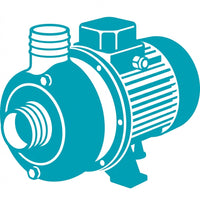
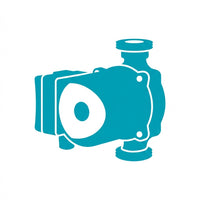
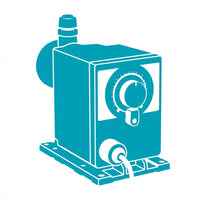
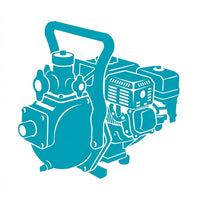
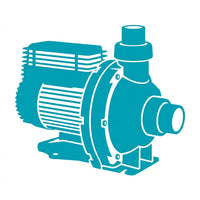
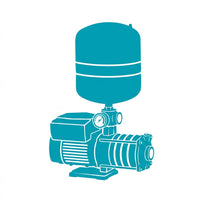



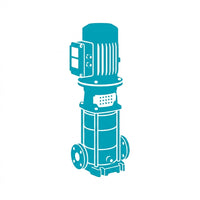


A pump rarely fails at a convenient time. It drops pressure before a busy irrigation run, trips out during a washdown shift, or starts making noise the day after heavy rain fills a pit. That is why pump repairs and servicing matter well before a unit stops completely. Good maintenance keeps water moving, protects motors and seals, and reduces the cost of replacing equipment too early.
For homeowners, that might mean consistent pressure at the taps or a sump pump that starts when it should. For farms, commercial sites and industrial operations, the stakes are higher. Downtime can affect stock water, crop irrigation, drainage, filtration, fire protection and process systems. The right service approach depends on the pump type, the duty it performs and the conditions it works in.
What pump repairs and servicing actually cover
Pump servicing is not just a quick once-over. A proper service checks the pump as a working system, not only as a standalone unit. That includes motor performance, hydraulic condition, seals, bearings, impellers, electrical components, pressure controls and the pipework or accessories affecting operation.
Repairs come into play when something has already worn out, broken down or drifted outside normal performance. That could be a leaking mechanical seal, a blocked impeller, a failed capacitor, worn bearings, a pressure switch fault or motor damage caused by dry running. In many cases, the visible symptom is only part of the issue. Low flow, for example, may come from wear inside the pump, but it can also point to suction air leaks, blocked strainers, poor sizing or a control problem.
This is where practical diagnosis matters. Replacing parts without identifying the cause often leads to repeat failures and wasted money.
Common signs a pump needs attention
Most pumps give some warning before they stop altogether. The trick is recognising those signs early enough to avoid a larger repair.
A pressure pump that starts cycling more often than usual may have a leaking line, a waterlogged pressure tank or a control issue. A bore pump that delivers reduced flow can indicate wear, sand ingress or falling water levels. Pool pumps often show problems through noise, leaking seals or poor circulation. Sump and sewage pumps may trip due to debris, blocked impellers or float switch faults.
Noise is one of the most common indicators, but it is not always straightforward. A rattling or grinding sound may suggest bearing wear, cavitation or debris. A humming motor that does not start can mean capacitor trouble or a seized pump end. Heat, vibration, intermittent operation and higher power use also deserve attention.
Waiting until complete failure usually narrows your options. A service at the first sign of trouble often means a simpler repair and less disruption.
Why regular pump repairs and servicing save money
There is a reason experienced operators schedule maintenance instead of treating pumps as fit-and-forget equipment. A pump that is running inefficiently can cost more every day in power use, production losses and avoidable wear than the service itself.
Seals are a good example. A minor seal leak may seem manageable for a while, but if water reaches the motor bearings the repair becomes more serious. The same applies to blocked strainers, worn impellers and faulty controls. A small performance issue can push the pump to work harder, run longer or cycle incorrectly, which shortens the life of the motor and hydraulic components.
Regular servicing also helps confirm whether the existing pump is still right for the job. System demands change. A property may add more outlets, a commercial site may alter process requirements, or an irrigation layout may expand. If the duty point has shifted, repeated repair bills can be a sign that the pump is undersized, oversized or simply the wrong type for the application.
What happens during a proper service
The detail varies by pump type, but a quality service follows a logical process. First comes inspection and fault finding. That means checking performance symptoms, installation conditions, electrical supply, controls and visible wear. If the pump is removed for workshop assessment, the technician can inspect internal components more closely and test for mechanical or electrical failure.
From there, the service may include cleaning, replacing worn parts, checking shaft condition, inspecting impellers and diffusers, testing motor integrity, fitting new seals or bearings, and reviewing pressure settings or control equipment. If the pump operates in dirty water, wastewater or abrasive conditions, the inspection should also focus on material wear and clogging.
Testing matters just as much as disassembly. A pump should not simply be rebuilt and sent back out. It needs to be checked for correct operation, leaks, current draw and expected performance so the repair solves the actual problem.
Pump types need different service approaches
Not all pump repairs are equal. A domestic pressure pump, a vertical multistage unit and a submersible sewage pump fail in different ways and need different service priorities.
Pressure pumps often involve issues around pressure tanks, switches, controllers and small leaks in the system. Bore pumps can face wear from sand, voltage problems or changing water conditions. Centrifugal pumps used in commercial and industrial settings may require closer attention to alignment, seal condition, duty performance and suction arrangement. Pool pumps tend to show problems through seal leaks, basket blockages or motor wear from long run times.
Sump, drainage and sewage pumps are especially dependent on installation conditions. Incorrect float setup, debris load, poor pit design or incompatible materials can create recurring faults that no repair alone will fix. In those cases, servicing needs to look at the whole arrangement, not just the pump pulled from the pit.
Repair or replace - it depends on the pump and the job
One of the most practical questions is whether to repair the existing unit or replace it. There is no single rule. It depends on age, brand support, spare parts availability, duty criticality and the extent of the damage.
If a quality pump from a supported brand has a clear, repairable fault, servicing is often the sensible option. Replacing seals, bearings, capacitors, switches and other wear components can restore performance at a reasonable cost. This is especially true where the installation suits the pump well and the unit has otherwise given reliable service.
Replacement becomes more attractive when the motor is badly damaged, hydraulic components are heavily worn, spare parts are limited or the pump has been repeatedly failing due to poor application match. Energy efficiency can also factor in. An older pump that still runs but performs poorly may cost more over time than a correctly selected new unit.
For critical sites, the decision is not just about repair cost. It is also about risk. If downtime has serious consequences, a replacement strategy or backup unit may make more operational sense than trying to extend the life of tired equipment.
Choosing the right service support
Pump servicing works best when it is backed by product knowledge, workshop capability and application understanding. That is particularly important if you are dealing with recognised pump brands, system controls or specialised duties such as firefighting, dosing, filtration or wastewater transfer.
A supplier or service team should be able to do more than swap parts. They should ask the right questions about flow, pressure, run time, liquid type, power supply and installation layout. That context helps identify whether the issue is wear, setup, sizing or system design.
This is where a specialist approach is worth it. Foundation Pumps supports customers across supply, technical advice and after-sales service, which makes fault finding more useful than a basic repair quote alone. When the service team understands both the product and the application, you are more likely to end up with a pump that runs properly after the work is done.
Getting more life from your pump between services
A few straightforward habits make a real difference. Keep strainers and baskets clean, check for leaks around unions and seals, watch for changes in noise or cycling behaviour, and do not ignore intermittent faults. If a pump relies on adequate water supply, protect it from dry running. If it handles dirty water, make sure it is suited to the solids load and environment.
For trade users and site managers, recording pressure, flow or run time trends can help catch problems early. You do not need a complex maintenance program for every installation, but you do need enough attention to notice when performance changes.
A pump is only dependable if the whole system around it is kept in order. Stay ahead of the small issues, and you give yourself a far better chance of avoiding the expensive ones.