
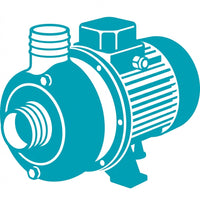
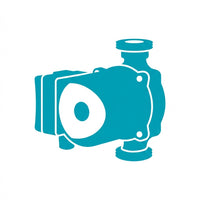
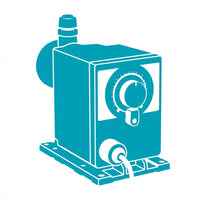
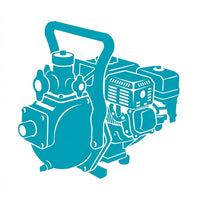



If you're asking what pump do I need, the fastest way to get the right answer is to stop looking at brands first and look at the job. A pump that works well for a house tank will be the wrong choice for a bore, a sump pit, a pool system or a firefighting setup. Most pump problems start with a mismatch between the application and the pump type, not with the product itself.
That is why pump selection needs to be practical. What are you moving, how far does it need to go, how much flow do you need, and what conditions will the pump work in day after day? Get those basics right and the shortlist becomes much clearer.
What pump do I need for my application?
The first decision is the application category. Pumps are built around purpose, and the right category matters more than small differences in motor size or brand features.
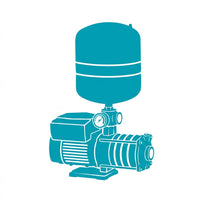
For household pressure, rainwater transfer and boosting water from a tank to taps, toilets or garden use, a pressure pump or pressure system is usually the right place to start. These are designed to provide consistent water pressure and automatic operation when demand starts.
For moving water out of a pit, flooded area or stormwater collection point, a sump pump or drainage pump is more suitable. These pumps are made to handle intermittent water removal and are often fitted with float switches so they start automatically as water rises.
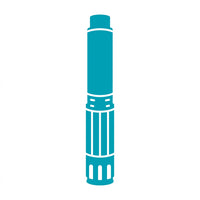
For groundwater supply from a narrow bore, you are generally looking at a bore pump or submersible bore system. These pumps are designed for deeper installations and different lift requirements than a surface-mounted pressure pump.
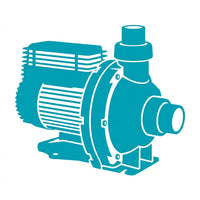
For pools, use a pool pump. It sounds obvious, but it is a common mistake to think any water pump can circulate pool water. Pool pumps are designed for filtration duty, continuous circulation and compatibility with pool systems.
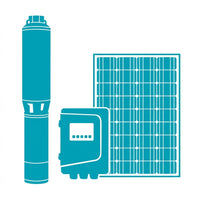
For dams, irrigation lines, washdown or general transfer on farms and larger properties, centrifugal pumps, transfer pumps or multistage systems may be more suitable depending on the flow and pressure required. If mains power is limited, solar pumping may also be the better fit.
For chemical injection, water treatment or dosing applications, use a dosing pump. For firefighting, use a dedicated firefighting pump setup. These are specialised applications, and general-purpose pumps are rarely a safe substitute.
The four questions that narrow it down fast
Once you know the application, four technical questions do most of the work.
1. What liquid are you pumping?
Clean rainwater is different from bore water, chlorinated pool water, dirty stormwater or chemical solutions. The liquid affects seal materials, impeller design and whether the pump can tolerate solids, sediment or corrosive content.
If the water contains grit, debris or suspended solids, a clean-water pressure pump may fail early. Likewise, a standard transfer pump may not suit aggressive chemicals or wastewater. This is where getting specific saves money later.
2. How much water do you need?
This is your required flow rate, usually measured in litres per minute or litres per hour. A small domestic supply line might need moderate flow with stable pressure, while irrigation, transfer or firefighting may need much higher volumes.
Oversizing can be just as problematic as undersizing. A pump that is too large may cycle badly, waste power and wear components faster. A pump that is too small will struggle, run longer and fail to meet demand.
3. How much pressure or head is required?
Head is the total energy the pump needs to overcome. That includes vertical lift, friction losses in pipework and the pressure you want at the outlet. This is the part many buyers underestimate.
For example, pumping from a tank at ground level to a single garden tap is one thing. Supplying a two-storey home, long irrigation run or elevated storage tank is another. The longer and more complex the pipework, the more performance the pump needs.
4. Where will the pump be installed?
Surface pumps and submersible pumps suit different site conditions. If the pump needs to sit above the water source, suction lift becomes critical and has limits. If the water source is deep or the installation environment is harsh, a submersible option is often more reliable.
Noise, weather exposure, available power, access for servicing and automation requirements also matter. A technically suitable pump can still be the wrong choice if the installation conditions are poor.
Common pump types and where they fit
A practical way to answer what pump do I need is to match the most common pump types to the most common Australian use cases.
Pressure pumps are the go-to for homes using tank water, boosting pressure from storage, or improving weak supply. They are typically used where you want automatic on-demand water delivery for domestic fixtures or garden use.
Jet and transfer pumps are often used for moving clean water from tanks, dams and shallow sources. They can suit rural properties and general water movement, but suction conditions must be checked carefully.
Submersible bore pumps are used where water is drawn from a bore and the pump needs to operate down the hole. They are built for deeper water sources and can deliver strong performance when matched correctly to bore depth and demand.
Sump and drainage pumps suit pits, stormwater removal and nuisance flooding. Some are for clean or lightly dirty water, while others are built to pass larger solids. That distinction matters.
Pool pumps are purpose-built for circulation and filtration. They need to match the pool size, filter setup and expected run times.
Multistage pumps are often chosen where higher pressure is needed across commercial systems, irrigation or complex water supply setups. They can be efficient and stable, but only when selected against the actual duty point.
Solar pumps suit remote livestock watering, bore supply and off-grid transfer where power access is limited or operating cost needs to be reduced. The trade-off is that system design becomes more important because available solar input changes through the day.
What pump do I need if I am replacing an old one?
Replacement jobs can be straightforward, but only if the original pump was correct in the first place. A common trap is reading the old nameplate and buying the closest match without checking whether the system has changed.
If your old pump never delivered enough pressure, short-cycled constantly or struggled during peak demand, replacing like for like may just repeat the same problem. Check the actual application, pipe size, power supply and performance requirements before ordering a replacement.
If the old pump lasted many years and performed well, matching its duty can make sense. Even then, confirm dimensions, inlet and outlet sizes, control systems and electrical compatibility. A good replacement should suit both the hydraulic duty and the physical installation.
A few trade-offs worth knowing
There is rarely one perfect pump in every situation. There is usually a best fit based on priorities.
A cheaper pump may reduce upfront cost but increase servicing, downtime or energy use over time. A larger pump may give more headroom but can be inefficient if the duty is modest. A submersible setup may be quieter and avoid suction issues, but access for service is different from a surface-mounted unit.
Brand matters too, especially for parts support and long-term reliability, but it should come after application matching. Well-known pump brands have earned trust for a reason, though even the best unit will disappoint if it is selected for the wrong duty.
The details that help get it right first go
If you want accurate advice, have a few job details ready. The water source, vertical lift, pipe length, pipe size, required flow, power available and whether the water is clean or dirty will usually narrow the field quickly. Photos of the existing setup can help as well, especially for replacements or fault-prone installations.
For more complex jobs such as irrigation systems, commercial booster sets, bore installations, sewage handling or water treatment, proper sizing is not something to guess. A pump should be selected to the duty point, not just the broad category. That is where specialist support makes a real difference.
Foundation Pumps works with customers across domestic, farm, commercial and industrial applications, and the pattern is usually the same. The more clearly the application is defined, the easier it is to recommend a pump that will perform reliably and be serviceable in the long term.
If you are still weighing up what pump do I need, start with the job, not the catalogue. A pump is only a good buy if it suits the water, the duty and the site - and if it keeps doing that without creating more work for you later.