




A solar pump that stops halfway through a hot, dry week is not much use, regardless of how low its running costs are. So, are solar water pumps reliable? Yes, when the system is designed around the water source, required daily volume and local solar conditions. Reliability is less about the panels alone and more about correct pump selection, protection equipment, installation quality and maintenance.
For rural properties, livestock watering, tanks, irrigation and remote sites, a properly specified solar pumping system can be highly dependable. It can also remove the need to run long power cables or rely on a generator. But it is not a like-for-like replacement for every mains-powered pump, and the limits need to be understood before installation.
Are solar water pumps reliable in Australian conditions?
Australia is generally well suited to solar pumping. High solar exposure across much of the country gives solar panels a strong energy source for most of the year. In remote areas, where grid power is unavailable or expensive to extend, solar pumping is often one of the most practical ways to move water from a bore, dam, creek or storage tank.
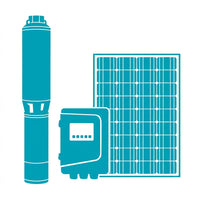
The pump itself can be as reliable as a conventional electric pump when it is a quality unit matched to the job. Solar submersible bore pumps, surface transfer pumps and booster systems use proven pump designs. Their performance, however, varies with available sunlight unless the system includes batteries or an alternative power supply.
That difference matters. A conventional pump connected to the grid can generally deliver its rated flow whenever it is switched on. A direct solar pump produces more water through the middle of a clear day and less in early morning, late afternoon and heavy cloud. The practical answer is usually not to oversize batteries. It is to pump into a correctly sized storage tank while the sun is available, then use gravity or a pressure pump to supply water when needed.
Reliability depends on system design, not just the pump
The most common cause of poor solar pump performance is not a failed panel or motor. It is an undersized, incorrectly selected or poorly installed system. A pump must overcome more than the vertical distance between the water level and the outlet. It also needs to account for pipe friction, fittings, filters, valves and the pressure required at the delivery point.
For a bore application, the standing water level and pumping water level both matter. The pumping water level can fall once the bore is running, particularly where yield is limited. If the pump is selected only from the bore depth, it may not deliver the required flow at the true total head. It may also run dry, which can shorten its service life if suitable protection is not fitted.
Water demand should be calculated over a full day, not estimated from a pump's maximum litres-per-minute figure. A livestock trough system may only need a modest flow rate if there is adequate storage. A solar irrigation system may need a larger array, higher-capacity pump or staged watering schedule to meet demand during the available pumping window.
A reliable design considers:
- the source type and available water level, including bore recovery rate
- daily water demand and the storage capacity at the destination
- total dynamic head, pipe size, pipe length and required outlet pressure
- solar exposure throughout the year, including shading from trees, buildings or terrain
- water quality, especially sand, iron, sediment, salinity and debris
The components that make or break a solar pumping system
Solar panels are durable and typically have a long working life, but they are only one part of the system. The controller is critical. It manages power from the panels, starts and stops the motor, and may provide variable-speed operation, dry-run protection, tank level control and fault monitoring.
For bore pumps, dry-run protection is particularly valuable. It can stop the pump when the bore level drops or when water flow is lost, then restart it after the source has recovered. A low-water probe, flow sensor or controller-based dry-run function can prevent a costly failure.
The pipework also deserves attention. Undersized pipe creates excessive friction loss, reducing flow and increasing the work the pump must do. On long rural runs, a larger pipe can be a worthwhile investment because it allows the pump to operate more efficiently. Good-quality cable, correctly rated connectors, isolators and surge protection are equally important, particularly in storm-prone areas.
Panel mounting needs to be secure, correctly oriented and positioned away from shade. Even partial shade across one section of an array can reduce output noticeably. Dust, bird droppings and seasonal leaf build-up can also affect performance, so panels should be accessible for occasional cleaning.
What solar pumps do well, and where they need support
Solar water pumps are particularly dependable where water can be collected gradually. Filling header tanks for stock, domestic supply, washdown water or low-demand irrigation is a strong use case. The sun provides energy during the day, and the stored water becomes the reserve for night-time use or cloudy periods.
They are less suitable on their own where a high, constant flow is required at any hour. Examples include irrigation systems that need precise pressure over extended periods, facilities with continuous production demands or firefighting applications. A solar system may still have a role in these settings, but it should be designed with sufficient storage, battery backup, generator backup or mains connection according to the risk of water interruption.
Battery storage can provide power outside daylight hours, but it adds cost, complexity and another component that will eventually need replacement. In many agricultural applications, water storage is simpler, more economical and easier to maintain than electrical battery storage. The tank effectively stores the energy in the form that matters most: available water.
Maintenance is straightforward, but it is not zero
A quality solar pumping system does not need constant attention, but it should not be installed and forgotten. Routine checks can identify small issues before they interrupt supply. Inspect the panels for dirt and shading, look over mounting hardware and cable connections, and check that the controller has not recorded recurring faults.
At the water end, monitor changes in flow, pressure and water quality. Reduced output may indicate a falling bore level, blocked intake, worn pump components, blocked filters or a pipe leak. Systems handling dirty dam water or sediment-laden bore water may need more frequent filter and intake inspection than clean-water installations.
Float switches and tank level sensors should also be tested. These components are simple but important. A failed level sensor can leave a tank empty or cause unnecessary overflow, even when the pump itself is operating normally.
Choosing a dependable solar pump for the job
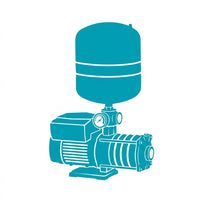
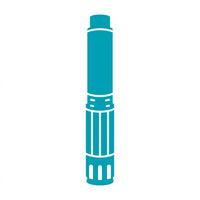
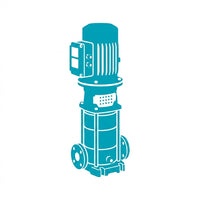
Pump type should follow the application. A submersible solar bore pump is generally the right choice for deep bores and narrow wells. A surface-mounted solar pump may suit dams, creeks, tanks and shallow suction lifts, provided suction conditions are within the pump's limits. For moving water from a storage tank to a home, shed or trough network, a solar-powered pressure system may be suitable, though the pressure and demand profile must be assessed carefully.
Brand quality and access to parts matter over the life of the system. A lower-cost package can appear attractive until a controller, cable, impeller or sensor needs replacement. Selecting equipment with local technical support and available spare parts reduces downtime and makes future servicing more practical.
Before choosing a package, have the water source, pipe run, vertical lift, required flow and daily water demand checked. Foundation Pumps can help match these figures to a suitable pump, controller and solar array rather than relying on a generic kit rating.
A reliable result starts with stored water
Solar pumping works best when it is planned as a water supply system rather than a pump connected to panels. Build in enough storage for normal demand, allow a margin for cloudy weather and seasonal changes, protect the pump from dry running, and use pipework that does not waste the energy being generated.
With those fundamentals in place, a solar water pump can provide dependable water for years with low operating costs and minimal routine attention. The right question is not simply whether solar pumps are reliable, but whether the complete system is designed to keep water available when your property needs it.