




A water treatment pump that is slightly wrong can cause more trouble than a pump that has failed outright. Low flow can compromise treatment performance, excessive pressure can damage filters and pipework, and incompatible materials can lead to rapid corrosion or seal failure. The best water treatment pumps are the ones matched to the water quality, treatment process, required flow and operating conditions - not simply the biggest unit available.
For a domestic filtration system, commercial washdown plant, wastewater facility or farm treatment setup, pump selection needs to start with the application. A reliable system depends on getting the duty point, pump construction and controls right from the outset.
What makes a water treatment pump suitable?
Water treatment covers a broad range of duties. A pump may transfer raw water from a tank, feed a filtration system, boost pressure through reverse osmosis equipment, dose chemicals into a process line or move treated wastewater to storage or disposal. Each duty places different demands on the pump.
A suitable pump must deliver the required flow at the pressure the system actually needs. It also needs to handle the liquid without damaging internal components. Clean rainwater, chlorinated water, saline bore water, sludge and aggressive chemicals all require different considerations.
The pump should also suit its operating pattern. A unit that runs continuously on a treatment skid needs a different motor, seal arrangement and cooling provision from a pump that only starts a few times a day to transfer water between tanks. This is where a practical application assessment saves money over the life of the equipment.
Best water treatment pumps by application
There is no single best pump for every treatment system. The right type depends on where the pump sits in the process and what it is being asked to move.
Clean water transfer and filtration feed
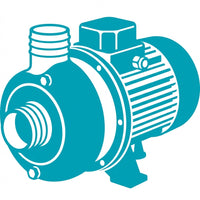
Centrifugal pumps are commonly used for transferring clean or lightly contaminated water to filters, UV treatment units, storage tanks and irrigation systems. They offer dependable flow, straightforward servicing and a wide range of performance options.
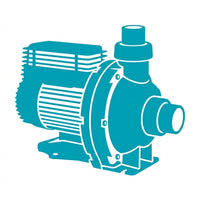
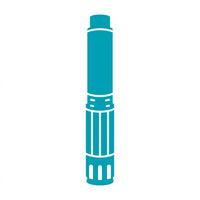
For a small domestic or rural treatment system, a quality surface-mounted pressure pump may be suitable where the source water is clean and the suction lift is within the pump's capability. If water is being drawn from a deep tank, bore or water source below ground, a submersible pump is often the better option because it pushes water rather than relying on suction.
The key consideration is stable flow. Many filters and treatment devices perform poorly when flow is too high or too low, so avoid sizing a transfer pump based only on its maximum flow rating.
Pressure boosting for treatment systems
Multistage pumps are often the preferred choice where a treatment system needs higher pressure. They are regularly used for pressure boosting, membrane filtration, reverse osmosis pre-treatment and commercial water supply duties.
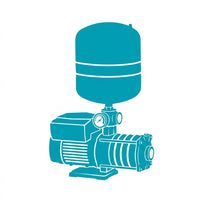
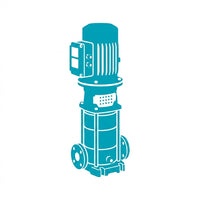
A vertical multistage pump provides high pressure in a compact footprint and can suit plant rooms, process skids and commercial installations. Horizontal multistage pumps can also be a practical choice where installation layout or service access makes them more suitable.
For variable demand, consider a variable speed drive or pressure controller. These controls allow the pump to adjust output as demand changes, reducing cycling and unnecessary energy use. They do add cost and require correct setup, so they are most worthwhile where demand varies significantly or where pressure stability is critical.
Chemical dosing and pH correction
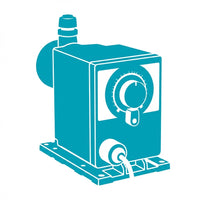
Dosing pumps are purpose-built for accurate, controlled chemical injection. They are used for chlorine, acid, alkali, coagulants, flocculants and other treatment chemicals. A standard transfer pump should not be treated as a substitute for a dosing pump when accurate chemical volume matters.
Diaphragm and peristaltic dosing pumps are common choices, but the best option depends on chemical concentration, required dosing rate, discharge pressure and the chemical's effect on pump materials. The wetted components, including the pump head, diaphragm, tubing, valves and seals, must be compatible with the chemical being used.
Chemical handling also requires attention to safety. Proper bunding, injection points, calibration columns, non-return valves and ventilation should be considered as part of the installation, not added as an afterthought.
Wastewater, sludge and solids handling
Wastewater treatment often requires pumps that can handle suspended solids, fibrous material or sludge. Submersible wastewater pumps, grinder pumps and solids-handling centrifugal pumps are selected according to the solids size, concentration and liquid characteristics.
A clean-water pump placed into a dirty-water duty may clog quickly, wear prematurely or fail to pass solids through its impeller. If the liquid contains stringy material, wipes, sediment or sludge, check the free passage specification and impeller design before selecting a pump.
Grinder pumps can be useful where solids need to be macerated before being pushed through smaller discharge pipework. They are not automatically the best answer for every wastewater job, however. In higher-flow applications, a non-clog solids-handling pump may provide better efficiency and easier maintenance.
Match the pump to the real duty point
Pump selection should be based on the required flow rate and total dynamic head, not on the connection size or motor power alone. Total dynamic head includes vertical lift, pipe friction, fittings, valves, filters, treatment equipment and the pressure required at the delivery point.
A system with multiple cartridge filters, membranes or long pipe runs can create far more resistance than expected. As filters load up with sediment, resistance increases again. Allowing for a realistic dirty-filter condition helps prevent a system that performs well on day one but loses useful flow shortly afterwards.
Before choosing a pump, confirm these operating details:
- Required flow in litres per minute or litres per second
- Static lift between the source and discharge point
- Pipe diameter, pipe length and major fittings
- Required discharge pressure and treatment equipment losses
- Water temperature, chemical content and solids level
- Expected run time, starts per hour and power supply
Materials matter as much as performance
The water itself can determine whether a pump lasts years or only months. Stainless steel is widely used in water treatment equipment, but not all stainless grades suit all water sources. Chloride-rich water, saltwater exposure and some bore waters can still cause corrosion.
Plastics such as polypropylene, PVDF and PVC can be suitable for particular chemical and corrosive-water duties. Elastomers used in seals and diaphragms also need checking. EPDM, Viton and other compounds each have different strengths and limitations.
Do not assume a pump described as stainless steel or chemical resistant is compatible with every liquid. Check the complete wetted material specification, particularly for acid dosing, chlorination, saline water and wastewater with industrial contaminants.
Build reliability into the system
The pump is only one part of the installation. Dry-run protection, level controls, pressure switches, isolation valves, check valves, strainers and correctly sized pipework all affect operating life.
Dry running is one of the most common causes of seal and pump damage. Tank transfer and bore systems should have reliable low-level protection, while dosing systems need appropriate alarms and interlocks. For critical commercial or industrial duties, a duty-standby arrangement can maintain operation while one pump is being serviced.
Routine maintenance should include checking pressure, flow, noise, vibration, leaks and current draw. Filters need cleaning or replacement before restriction affects the pump and treatment process. Keeping suitable seals, valves or other service parts on hand can also reduce downtime where the water system is essential to operations.
Foundation Pumps can assist with application-based pump selection, servicing and replacement planning where system requirements are unclear or an existing pump is underperforming.
Avoid the common selection mistakes
The most common error is choosing on maximum flow alone. A pump may advertise an impressive flow rate, but that figure is usually measured with little or no head. Once it is connected to filters, pipework and a treatment system, the delivered flow can be substantially lower.
Another mistake is oversizing. More pressure and flow are not always better. Oversized pumps can cause excessive cycling, water hammer, higher energy use, bypass problems and unnecessary wear on valves and filters. A properly selected pump operating near its efficient range is generally the better long-term choice.
Finally, consider service access before installation. A pump tucked behind pipework, without isolation valves or room to remove a motor, turns a routine repair into an expensive interruption. Allow space to inspect, prime, drain and service the equipment.
The right water treatment pump keeps the process stable, protects downstream equipment and makes maintenance manageable. Start with the water, the duty and the system resistance, then select a pump built for that work. That approach delivers better performance than chasing the highest number on a specification sheet.