
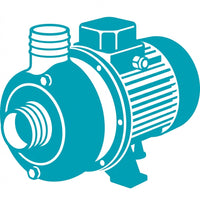
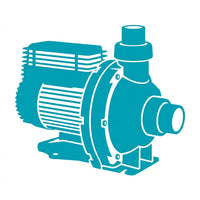
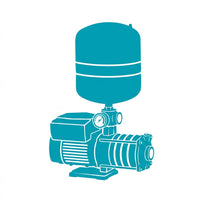

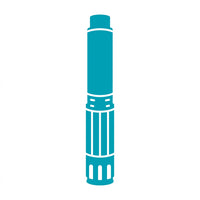

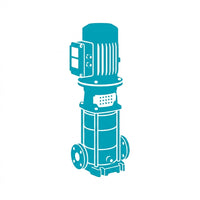


A chemical transfer pump that is slightly wrong on materials or seal design rarely fails straight away. More often, it gives you a short run of acceptable performance before wear, leaks, corrosion or costly downtime start to show. That is why selecting a centrifugal pump for chemical transfer needs to start with the chemical itself, not just the flow rate on the job sheet.
For many Australian sites, centrifugal pumps are a practical choice because they are simple in operation, widely understood by maintenance teams and well suited to continuous duty. But chemical service changes the selection process. The right pump for clean water can be completely unsuitable for acids, alkalis, solvents or process liquids with changing temperatures and concentrations.
Where a centrifugal pump for chemical transfer works well
A centrifugal pump moves liquid by converting rotational energy from the motor into fluid velocity and pressure. In chemical transfer applications, that makes it a sensible option where you need steady flow, predictable operation and a pump that can handle routine transfer duties without the complexity of a positive displacement system.
This type of pump is commonly used for tank-to-tank transfer, batching, recirculation, unloading and washdown chemical systems. In many plants, it is the preferred option for low to medium viscosity liquids that need to be moved efficiently over a known duty point. If the liquid is relatively clean and the system is designed properly, centrifugal pumps can provide reliable service with straightforward maintenance.
That said, they are not the answer to every chemical job. If the liquid is highly viscous, contains significant solids, is prone to crystallisation or requires precise metering, another pump style may be the better fit. Good pump selection is rarely about what is popular. It is about what matches the application.
Start with the chemical, not the pump catalogue
Before comparing brands, motor sizes or connection sizes, confirm exactly what fluid is being transferred. Product name alone is not enough. You need the chemical composition, concentration, temperature range, specific gravity, viscosity and whether the fluid changes during operation.
This matters because compatibility is more than a corrosion question. Some chemicals attack elastomers before they affect the main casing. Others are safe at ambient temperature but aggressive when heated. A diluted chemical may be manageable in one material, while the concentrated version may require a very different construction.
On industrial and treatment sites, the duty can also shift over time. A pump used for one chemical during commissioning may later be asked to handle a stronger cleaning solution or a different process fluid. If there is any chance of that happening, it is worth building that flexibility into the original selection.
Material selection is where most problems begin or end
The casing, impeller, shaft, seal faces and elastomers all need to suit the liquid. For chemical transfer, common pump materials may include polypropylene, PVDF, stainless steel and other specialised engineered materials, depending on the application.
Polypropylene can be a solid option for many acids and alkalis, particularly where cost matters and temperatures are moderate. PVDF is often chosen where chemical resistance needs to go further, especially with more aggressive media or elevated temperatures. Stainless steel works well in some chemical services but is not automatically the safe option. In the wrong fluid, stainless can fail faster than a correctly selected non-metallic pump.
Elastomers deserve the same attention. EPDM, Viton, PTFE and other seal materials each have strengths and limitations. If the wetted metal or plastic is compatible but the O-rings are not, the pump still fails. This is one of the most common selection gaps in chemical service.
Duty point still matters
Even with perfect chemical compatibility, the pump has to perform properly on the system curve. That means confirming the required flow, total head, suction conditions and pipework layout. An oversized pump can cause as many headaches as an undersized one. It may run inefficiently, generate excess heat, create recirculation issues or shorten seal life.
For chemical transfer, duty point accuracy is especially important because many of these systems run for long periods or on repeat cycles. A pump operating too far from its best efficiency point may still move liquid, but it will often do so with higher wear and poorer reliability.
Suction conditions also need close attention. Some chemicals have lower vapour pressure margins, and temperature can make cavitation more likely. If the available net positive suction head is tight, the pump choice and installation layout both become more critical. A good pump cannot compensate for poor suction design.
Mechanical seal, mag drive or something else?
One of the key decisions in a centrifugal pump for chemical transfer is how the pump contains the liquid. Traditional mechanically sealed pumps are common and often cost-effective, but they rely on a sealing system that will eventually wear and require maintenance.
For many hazardous or corrosive chemicals, magnetic drive pumps are worth considering because they remove the dynamic shaft seal and reduce leak risk. That can make a real difference in safety-sensitive environments or where even a small leak creates compliance, housekeeping or product loss issues.
The trade-off is that mag drive pumps are not automatically the best choice in every system. Dry running, solids, poor suction conditions or process upsets can damage them if the application is not well controlled. A sealed pump may be easier to service on some sites where maintenance access and operator familiarity are strong.
There is no single right answer here. The better choice depends on the chemical, the site risk profile, the maintenance strategy and the consequences of leakage.
Motor and site conditions need equal attention
Chemical transfer pumps do not operate in isolation. Motor selection, enclosure rating and site environment all affect service life. Indoor wash plants, corrosive processing areas, outdoor installations and bunded tank farms each place different demands on the equipment.
If the area is exposed to fumes, humidity or washdown, that should influence the motor specification and mounting arrangement. If the site has unstable power supply, frequent start-stop cycles or high ambient temperature, those factors also need to be addressed early. A chemically compatible pump paired with the wrong motor package can still become a reliability problem.
Australian conditions add another layer. Heat, dust, UV exposure and remote-site servicing constraints all influence what makes sense in practice. In many cases, a slightly more conservative specification pays off over time because it reduces emergency callouts and keeps spare parts planning simpler.
Installation mistakes can shorten pump life quickly
A well-selected pump can still struggle if the installation is poor. Suction lines should be short and properly sized where possible, with unnecessary restrictions avoided. Pipe strain must not be loaded onto the pump casing. Chemical service also calls for suitable secondary containment, drainage planning and safe isolation for maintenance.
Priming requirements need to be understood before commissioning. Standard centrifugal pumps are not self-priming unless specifically designed that way. Running dry, even briefly, can damage seals and internal components. If the application involves intermittent suction supply or tank levels that fall below pump level, that needs to be designed around rather than assumed away.
Controls matter as well. Dry-run protection, overload protection and suitable duty control can prevent expensive failures. On critical systems, monitoring vibration, temperature or seal condition may be justified.
Maintenance planning should be part of the purchase decision
The purchase price of a chemical pump is only one part of the cost. Service access, spare parts availability and the ease of routine maintenance have a direct effect on long-term value. A cheaper pump that is difficult to repair or unsupported locally often stops being cheap once downtime is factored in.
For trade buyers, facilities teams and process operators, support after the sale matters. Access to the correct seal kit, impeller, casing parts or technical advice can keep a transfer system running without extended interruption. That is one reason many buyers prefer established pump brands with known support pathways and clear parts availability.
Foundation Pumps works with customers who need that practical balance between chemical compatibility, duty performance and serviceability. In chemical applications, that balance usually delivers better results than choosing on price alone.
Common selection errors to avoid
The most frequent mistake is assuming a pump suitable for water or mild process liquids will handle chemicals if the flow and head look similar. It will not. Another common issue is basing the decision on the main wetted material only, without checking the seal faces and elastomers.
There is also a tendency to understate the duty. Short transfer lines become longer over time, valves are added, filters become dirty and the actual system resistance changes. If the pump is selected with no margin and no clear understanding of the real operating conditions, reliability suffers.
Finally, do not overlook the human side. If operators need a simple, maintainable unit and the site has limited technical support, that should shape the recommendation. The best pump on paper is not always the best pump for the people using it.
If you are specifying a centrifugal pump for chemical transfer, the safest path is to treat the application as a full system decision rather than a quick product swap. Get the fluid data right, match the materials carefully and choose a pump that your site can operate and maintain with confidence.