


When a site needs strong pressure, steady flow and a compact footprint, vertical multistage pump applications usually come into the frame quickly. You see them in apartment pressure systems, washdown skids, irrigation supply, boiler feed duties and water treatment plants because they handle high heads efficiently without taking up much floor space. That does not make them the right answer for every job, but it does explain why they are specified so often across residential, commercial and industrial work.
Where vertical multistage pump applications make sense
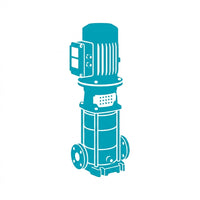
A vertical multistage pump is built with multiple impellers stacked in series. Each stage adds pressure, which makes this design well suited to applications where head matters more than moving very large volumes of water. Compared with some horizontal pump arrangements, a vertical multistage unit can deliver high pressure in a smaller footprint, which is useful in plant rooms, service corridors and packaged systems where space is tight.
In practical terms, that means these pumps are commonly selected for pressure boosting in buildings, water transfer across elevation changes, filtration systems, reverse osmosis feed, cooling water circulation and industrial process water duties. They are also a common fit where operators want a clean, enclosed pump design with predictable hydraulic performance.
The key point is that application drives selection. If you need moderate to high pressure, clean or relatively clean water, and reliable continuous operation, a vertical multistage pump is often worth considering. If the liquid is heavily solids-laden, fibrous or abrasive, another pump type may be a better fit.
Building pressure boosting
Pressure boosting is one of the most common vertical multistage pump applications in Australia. In multi-storey homes, unit blocks, schools, hotels and commercial buildings, mains pressure is not always enough to provide stable delivery at upper levels or during peak demand. A vertical multistage pump can lift system pressure efficiently and maintain more consistent performance across the building.
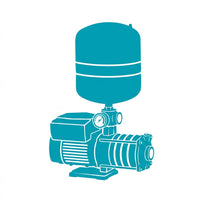
This is particularly useful where multiple outlets may operate at once. Bathrooms, laundries, kitchens and irrigation taps can all pull at the same time, and a poorly matched pump will show it quickly through pressure drop, cycling issues or noise complaints. A correctly selected vertical multistage pressure set, often paired with a controller and pressure tank, helps smooth that demand.
That said, sizing matters. Overspecifying the pump can create excessive pressure, energy waste and unnecessary wear on valves and pipework. Underspecifying it leaves the site with the same pressure problems it was meant to fix.
Water treatment and filtration systems
Water treatment plants and packaged filtration systems regularly use vertical multistage pumps because the duty often calls for stable pressure and clean water handling. These pumps are well suited to ultrafiltration, reverse osmosis feed, softening systems and general treated water transfer.
In these systems, pressure is not just helpful. It is part of the process. Membranes, filters and treatment stages can create resistance that must be overcome consistently for the system to perform as intended. A multistage design gives operators that pressure capability without moving to a much larger pump package.
Material selection also matters here. Stainless steel pump construction is common in treatment applications due to corrosion resistance and water quality requirements. If the water chemistry is aggressive, or if there are dosing chemicals in the wider system, seal and elastomer compatibility should be checked early rather than after installation.
Irrigation and agricultural supply
On farms and rural properties, vertical multistage pumps can be a strong option where water needs to be transferred over distance or pushed uphill with reliable pressure. They are used in irrigation feed systems, stock water pressure boosting, tank-to-tank transfer and washdown applications where clean bore water or stored water is available.
They are not always the first pump chosen for broadacre irrigation. Large flow duties may suit other centrifugal pump styles better. But for higher pressure irrigation zones, fertigation skids and systems where compact installation is useful, they can be a very practical choice.
The trade-off usually comes back to water quality. If the source includes sand, suspended solids or debris, pre-filtration may be needed to protect the pump. In rural settings, that is a real consideration, especially on older bores or dams where water conditions change through the season.
Industrial process and washdown duties
Industrial sites often need pressure for process water, equipment washdown, cooling circuits and utility services. Vertical multistage pumps suit these duties because they can provide stable pressure over long operating periods and integrate well into packaged plant systems.
For washdown, pressure and consistency are the main drivers. For process systems, reliability and control can matter just as much. Many installations use variable speed drives so the pump can respond to changing demand instead of running flat out all day. That improves efficiency and can reduce pressure shock in the system.
Not every industrial liquid is suitable, though. These pumps are generally intended for clean or low-contaminant liquids. If the application involves slurry, wastewater, hydrocarbons or aggressive chemicals, pump type and materials need a closer review.
Boiler feed and hot water systems
Another area where vertical multistage pump applications stand out is boiler feed and hot water circulation support. These systems often require pressure at a fairly controlled flow rate, and multistage pumps are well suited to delivering that duty.
High temperature applications bring extra considerations. Mechanical seals, motor ratings and pressure limits all need to match the actual operating conditions. It is not enough for a pump to meet the hydraulic duty on paper if the liquid temperature exceeds what the seal arrangement can handle.
For commercial plant operators, reliability tends to matter more than headline performance. Downtime in a heating or process system usually costs more than the pump itself, which is why correct specification and after-sales support are worth taking seriously.
What to check before selecting one
The most common mistake in pump selection is focusing only on flow rate. With vertical multistage pumps, duty head is just as important, and often more important. You need to understand the total dynamic head, available inlet conditions, liquid temperature, water quality and whether demand is constant or variable.
Net positive suction head is another factor that cannot be ignored. These pumps are not self-priming, and they generally do best where suction conditions are favourable. Poor suction layout, undersized pipework or air ingress can lead to noise, cavitation and premature wear.
Control method also affects performance. A single fixed-speed pump may suit a simple transfer duty, while a variable speed set is usually better for fluctuating pressure demand. In some commercial systems, a duty-standby or multistage booster arrangement is the smarter option because it improves redundancy and spreads run hours.
The practical advantages and limitations
The main advantages are straightforward. Vertical multistage pumps offer high pressure capability, compact installation, efficient operation in the right duty range and clean system compatibility. They also pair well with modern controllers, pressure systems and packaged skids.
Their limitations are just as important. They are less forgiving with poor water quality than many other pump styles. Installation quality matters, particularly on suction conditions and alignment of the connected pipework. Maintenance access should also be considered. A pump that fits neatly into a plant room is only helpful if technicians can still service seals, motors and controls without dismantling half the system.
This is where a specialist supplier adds value. In many cases, the right answer is not simply choosing a vertical multistage pump, but choosing the correct brand, material set, motor configuration and control package for the actual duty.
Choosing the right vertical multistage pump applications setup
There is no universal model that covers every site. A domestic pressure boost set for a home or small accommodation building will look very different from a stainless process pump in a treatment plant or a high-pressure unit feeding irrigation zones. Flow, head, temperature, duty cycle and water quality all change the selection.
That is why application-based advice matters. Reputable brands such as Grundfos, Lowara, Ebara, Davey and Pedrollo each have strengths across different pressure and system requirements, but brand alone will not fix a poor specification. The better approach is to start with the duty, then match the pump, controls and installation method to suit.
If you are weighing up vertical multistage pump applications for a new install or a replacement, the goal is simple: reliable pressure without creating new problems elsewhere in the system. Get the hydraulic details right, be realistic about water quality, and allow for maintenance from the start. A well-chosen pump tends to disappear into the background, which is exactly what most operators want.