
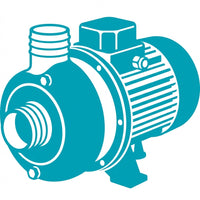
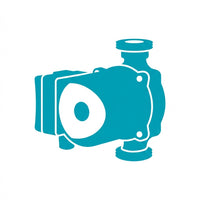
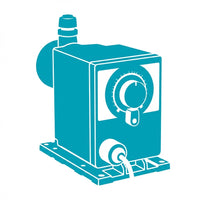
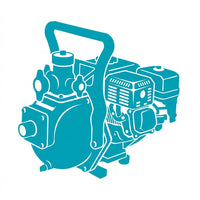
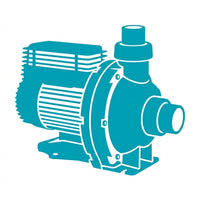
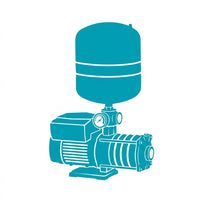

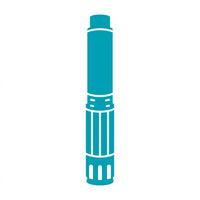

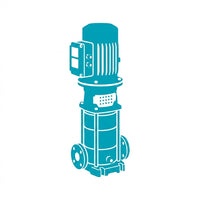


A pump that is slightly undersized may deliver weak pressure at the far end of a house, irrigation line or process system. One that is oversized can cycle too often, waste energy and place unnecessary load on pipework and fittings. Grundfos pumps are widely specified because the range covers these very different duties, from domestic water pressure through to commercial circulation, drainage, bore supply and industrial water transfer.
The right result does not come from choosing by motor size alone. Flow, pressure, suction conditions, water quality, control requirements and the way the system is used all affect pump selection. For a replacement pump, matching the existing unit can be a useful starting point, but it is not always the best answer if site conditions or demand have changed.
Where Grundfos pumps fit
Grundfos manufactures pumps and pump systems for clean water, wastewater, pressure boosting, heating and cooling circulation, groundwater extraction, dosing and process applications. That breadth is useful for Australian properties and businesses where one site may have several separate pumping requirements.
A homeowner might need a pressure system for rainwater tanks and a separate drainage pump for a low-lying area. A farm may require bore water supply, stock trough distribution and irrigation transfer. A facilities manager could be responsible for booster sets, hot water circulation and sump drainage across the same building. Each application needs a pump selected for its actual operating conditions, not simply the largest capacity available.
For clean-water pressure duties, the focus is generally on steady delivery at the required outlets. For drainage and wastewater, solids handling, float control and installation depth become more relevant. For bore applications, the available water level, bore diameter, cable length and total lift need careful attention. Commercial systems may also require duty and standby arrangements, variable-speed control, alarms and compatibility with building management systems.
Start with flow and total head
The two figures that matter most in pump selection are flow and total head. Flow is the volume of water required over a given time, commonly expressed in litres per minute or litres per second. Total head is the pressure the pump must overcome, expressed in metres of head.
Total head is more than the vertical distance from the water source to the outlet. It includes the static lift, pressure required at the outlet and friction losses through pipe, valves, filters, elbows and fittings. Long pipe runs, undersized pipe and restrictive filtration can make a considerable difference, particularly on rural properties or larger commercial sites.
For example, a house supplied from a rainwater tank may need enough flow to run showers, toilets, taps and a washing machine without a major pressure drop. A pump only needs to lift water a few metres from the tank, but it must still provide useful pressure at the most distant outlet. An irrigation transfer pump may have a lower pressure requirement but need much higher flow. These are different duties, even when both use water from the same tank.
Pump curves are used to compare required duty against pump performance. A curve shows how much flow a pump can provide at different head levels. The best selection normally places the expected duty around the pump's efficient operating range, with a sensible allowance for normal variation. Selecting at the extreme end of the curve can leave little margin if filters become dirty, pipework is extended or demand rises.
Check the system, not just the pump
When replacing an older unit, assess why it failed or performed poorly. Repeated cycling can point to a pressure vessel issue, a leak, incorrect pressure settings or a pump that is too large for the demand. Low flow may be caused by blocked filters, poor suction pipework, air leaks, worn impellers or a falling bore water level rather than a failed motor.
A new pump installed into a poorly designed system will inherit the same problems. Before ordering, confirm pipe diameter, cable supply, suction lift, outlet pressure, water temperature and water quality. This is particularly relevant for tank pumps and surface-mounted pressure systems, where air entering the suction line can affect priming and output.
Matching the pump type to the application
Household pressure and rainwater supply
For domestic water supply, a pressure pump needs to provide reliable flow for the fixtures likely to run at the same time. Automatic controls can start and stop the system based on demand, while variable-speed options can maintain more consistent pressure as usage changes.
The trade-off is cost and complexity. A straightforward fixed-speed pressure system can be a sensible choice for a modest household demand with a simple layout. A variable-speed system may suit larger homes, multi-storey properties or applications where consistent pressure and lower cycling are priorities. It still needs correct pipework, suitable protection from weather and a clean water source.
Bore and groundwater systems
Bore pumps are usually submersible and must be selected around the bore's sustainable yield as well as the required delivery point. Pumping water faster than the bore can recharge may lead to drawdown, dry-running risk and poor long-term performance.
Calculate the lift from the pumping water level, not just ground level. Add the elevation to the tank or outlets, pipe friction and the required delivery pressure. Bore water can also contain sand, mineral content or corrosive elements, so water quality should influence material selection and filtration planning. Dry-run protection is worth considering where water levels vary seasonally.
Drainage, sump and wastewater duties
A drainage pump is selected differently from a pressure pump. The key questions are how much water must be removed, how quickly it needs to be moved, the depth of the pit, the discharge run and whether the water contains solids.
Clean stormwater may suit a drainage or sump pump with automatic float operation. Greywater, sewage or trade waste may require a pump designed for solids handling, with the correct free passage and controls. Installing a clean-water pump in a solids-laden pit is a common and costly mistake. It can block the impeller, cause nuisance trips and create downtime when the system is needed most.
For critical commercial drainage, consider high-level alarms, non-return valves, guide rails for servicing and a duplex arrangement with duty and standby pumps. The extra upfront cost can be justified where flooding, site closure or equipment damage would be expensive.
Commercial circulation, boosting and process water
Commercial applications often call for more than a single pump. Multistage pumps can provide higher pressure in compact footprints, while booster systems can stage multiple pumps to match changing demand. Circulator pumps are used in heating, cooling and hot-water systems where controlled, continuous movement is the main requirement.
Variable-speed control can reduce energy use when demand changes throughout the day, but it must be commissioned properly. Setpoints, sensor location, minimum flow needs and system resistance all matter. A control feature is only valuable when it suits the application and is understood by the people maintaining it.
Installation details that protect pump life
Correct installation has a direct effect on pump reliability. Pumps need stable mounting, accessible isolation valves and pipework that does not impose strain on the pump connections. Suction lines should be as short and direct as practical, properly sealed and sized to avoid excessive friction.
Electrical protection should match the motor and site supply. Depending on the application, this may include overload protection, dry-run protection, float switches, pressure switches, thermal protection or a control panel. Submersible pumps also need suitable cable sizing and secure cable support, particularly where long runs are involved.
Keep filters, strainers and non-return valves accessible. A blocked filter can look like pump failure, while a leaking non-return valve can cause pressure loss and repeated starts. Good access makes routine checks quicker and reduces the chance that a simple service item becomes a major repair.
Maintenance and spare parts planning
No pump is maintenance-free. The required interval depends on the water source, duty cycle and application. Domestic clean-water systems may only need periodic checks of filters, pressure settings and leaks. Drainage, sewage and industrial systems usually require more regular inspection because debris, solids and corrosive conditions increase wear.
Watch for changes in noise, vibration, run time, pressure or power use. These are often early signs of blocked pipework, bearing wear, control issues or hydraulic problems. Acting early can prevent a pump failure at the point of highest demand.
For sites where downtime matters, identify the service parts and backup arrangements before there is a problem. A spare float switch, seal kit, controller or even a standby pump can be more valuable than an urgent replacement search after a failure. Foundation Pumps can assist with application-based selection, repairs and service support where the duty requires more than a like-for-like replacement.
The practical next step is to gather the site details before selecting a model: required flow, total head, water source, pipe size, power supply and the conditions the pump will face. With those details clear, the right pump becomes a working asset rather than an expensive guess.