



A pump that delivers plenty of water at the shed but struggles at the house is not the right pump. The practical decision in a jet pump vs bore pump comparison comes down to where the water sits, how much water the source can supply, and the pressure and flow needed at the outlet.
For an Australian home, farm or commercial site, selecting on pump horsepower alone is a common and costly mistake. A correctly sized pump should work within the limits of the water source, maintain usable pressure at peak demand, and remain serviceable for the long term.
Jet Pump vs Bore Pump: The Core Difference
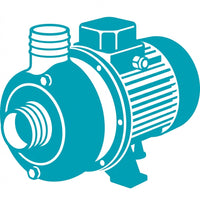
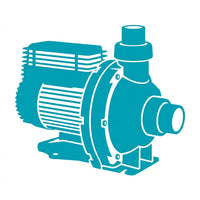
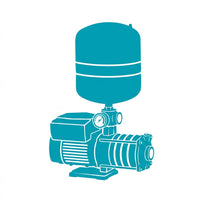
A jet pump is normally installed above ground, close to the water source. It uses suction to draw water from a well, tank, dam or shallow bore, then pushes it through the system. Many domestic pressure pumps are jet-style pumps, combining a pump, motor and pressure controller or pressure tank in one accessible installation.
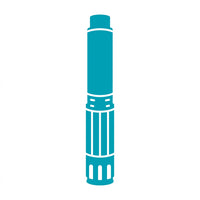
A bore pump is usually a slim, submersible multistage pump installed down inside a bore casing. Rather than pulling water to the surface, it pushes water upward through rising main pipe. This makes it the usual choice where the standing water level is too deep for a surface pump to draw effectively.
The terminology can cause confusion. A bore is the water source, while a bore pump is generally the submersible pump installed in it. A jet pump can sometimes be used on a shallow bore, but it is not automatically the best pump simply because a bore exists.
When a Jet Pump Is the Better Choice
A jet pump suits applications where the water level remains relatively close to ground level. In practical conditions, a conventional surface-mounted jet pump is generally limited to about 7 to 8 metres of suction lift. This is not the total bore depth. It is the vertical distance from the pump centreline to the water level while the pump is running.
That distinction matters. A 20-metre bore may be suitable for a jet pump if water stands at 4 metres and does not draw down significantly during use. Conversely, a 10-metre bore can require a submersible pump if the water level drops beyond the suction limit once irrigation starts.
Jet pumps are commonly chosen for rainwater tanks, shallow wells, spear points, dams with a suitable foot valve arrangement, and shallow bores serving a house or small irrigation area. They offer several practical advantages. The motor and controls are above ground, making routine inspections, pressure-switch adjustments and many repairs simpler. There is no need to lift a pump and pipework from a bore for every service issue.
They can also be a sensible option where a pump is already housed near the source and where replacement needs to be quick. For a modest domestic demand, a quality jet pump with an appropriately sized pressure tank can provide reliable automatic pressure for toilets, taps, washing machines and garden use.
However, suction-side installations are less forgiving than they appear. A minor air leak at a fitting, a worn foot valve, undersized suction pipe or a blocked strainer can cause loss of prime, poor pressure or repeated cycling. Jet pumps also become less efficient as suction lift increases. If the source is near the upper limit of suction capability, performance can be disappointing even when the pump starts and runs normally.
What about deep-well jet systems?
Some jet systems use an ejector installed down the bore, allowing water to be lifted from greater depths. They can work well in specific applications, particularly where the bore configuration suits the system and above-ground access is preferred. But they require additional pipework, careful sizing and more complex installation than a standard shallow-well jet pump.
For many deeper domestic and farm bores, a submersible bore pump is more efficient and straightforward to size. The right answer depends on the bore diameter, water level, required output and existing pipework.
When a Bore Pump Is the Better Choice
A submersible bore pump is generally the better option when the operating water level is deeper than a surface pump can lift. Because the pump sits below the water level, it pushes water to the surface rather than relying on suction. This gives it a major advantage for deep bores and applications with substantial elevation or long pipe runs.
Bore pumps are also well suited to continuous or higher-demand duties, such as stock watering networks, irrigation zones, homestead supply, washdown systems and commercial water transfer. Multistage designs can generate useful pressure while lifting from significant depths, provided the pump is selected against the full duty requirement.
A properly installed submersible pump is quiet at the surface and avoids priming issues. There is no exposed motor requiring weather protection near the bore head, although the electrical controls still need suitable enclosure and protection. For remote properties, this can make the installation neat and reliable.
The trade-off is access. Removing a failed bore pump may involve lifting long lengths of pipe, electrical cable and safety rope. On a deep installation, that is not a one-person job. Bore pumps also need appropriate dry-run protection where supply is uncertain, along with correctly sized cable, motor protection and a suitable non-return valve arrangement.
Water quality deserves close attention too. Sand, sediment, iron, salinity and mineral content can all affect pump life and system design. A bore producing fine sand may need development, screening improvements or a pump selected and positioned to reduce abrasive wear. Installing an expensive pump without checking the bore condition often leads to premature failures.
Compare the Requirements, Not Just the Pump Type
The most useful starting point is a set of accurate site details. The pump can then be matched to the job rather than guessed from the bore depth or outlet size.
First, establish the static water level - the level of water in the bore when no pumping is occurring. Then measure the pumping water level, also called drawdown. This is the level reached while the bore is producing the intended flow. Pump selection should be based on the pumping level, not the static level.
Next, calculate total dynamic head. This includes the lift from the pumping water level to the highest outlet, pressure required at that outlet, and friction losses through pipework, filters, valves and fittings. Long rural runs, small-diameter poly pipe and filtration equipment can add more resistance than expected.
Flow demand is equally important. A household may need steady pressure for two showers and appliances, while a farm may need a specified number of litres per minute for troughs or irrigation. Do not select a pump that exceeds the sustainable yield of the bore. Drawing water faster than the bore can recover may trigger dry running, increase sand production and shorten pump life.
For a domestic pressure system, consider whether the pump will operate through a pressure controller, pressure tank or variable-speed drive. Each has a place. Pressure tanks can reduce frequent starts in variable-demand systems, while constant-pressure systems can improve user comfort where demand changes throughout the day. The control method must suit the motor, pump curve and application.
Installation Details That Affect Reliability
A good pump can still perform poorly when installation details are overlooked. With a jet pump, suction pipe must be airtight, adequately sized and arranged to avoid high points that trap air. The foot valve should remain submerged and protected from debris. The pump should be positioned as close and as low as practical to the water source, while remaining protected from weather and flooding.
With a bore pump, installation depth should account for the pumping water level, bore depth and the need to keep the pump off the bottom where sediment collects. It also needs adequate water flow past the motor for cooling. In some bore casings, a flow sleeve may be required to direct water over the motor.
Electrical protection is not optional. Bore pump motors need correctly rated cable, overload protection and controls suitable for the supply type. Single-phase systems may use a control box or integrated electronics, while larger three-phase systems often require more detailed motor protection. An electrician should complete electrical connection work, and the bore installation should be planned so the pump can be safely retrieved for servicing.
Running Cost and Maintenance Considerations
A jet pump is easier to inspect and may cost less to repair when faults involve the motor, seal, controller or pressure tank. It may also be the lower-cost installation for a shallow source. Its downside is that efficiency falls away with higher suction lifts, and priming or air-leak issues can create ongoing call-outs.
A bore pump usually costs more to install because of the pump, pipe, cable, fittings and lifting work. Yet it can be the more economical long-term choice for a deep source because it avoids the energy losses associated with trying to pull water from below the practical suction limit. A correctly selected submersible unit should run within its preferred operating range, not at the extreme end of its curve.
Maintenance is largely preventative. Check pressure behaviour, monitor flow changes, clean filters, inspect exposed fittings and respond early to cycling, surging or dirty water. A gradual drop in pressure may indicate a blocked filter or worn pump components. Sudden loss of pressure can point to a control fault, leaking pipework, low water level or electrical protection operating.
Make the Decision From Bore Data
If the pumping water level is shallow, the demand is moderate and easy above-ground servicing is valuable, a jet pump can be a practical and dependable solution. If water sits deep, the bore experiences drawdown, or the system needs sustained flow and pressure, a submersible bore pump is usually the better fit.
Before committing to either option, gather the bore log where available, measure the operating water level, confirm expected flow, and map the pipe run to the highest and furthest outlet. Foundation Pumps can help turn those details into a pump and control setup that suits the source, rather than forcing the source to suit the pump.