






A pump that will not start, runs continuously, or cuts out before the shower pressure settles can look like a pump failure. Often, the fault sits at the pressure switch. A correct pressure switch replacement can restore automatic operation, but only if the new switch suits the pump, pressure tank and water system it controls.
For domestic pressure pumps, farm water systems and commercial booster sets, a switch is not a universal spare part. The right selection comes down to pressure settings, electrical rating, connection type and the way the system is configured. Fitting a similar-looking switch without checking those details can lead to short cycling, poor pressure, motor damage or a system that simply will not operate.
What a pressure switch does in a pump system
A conventional mechanical pressure switch monitors water pressure and starts or stops the pump at set points. When pressure falls to the cut-in setting, such as when a tap or irrigation valve opens, the switch closes and starts the pump. Once demand stops and the system reaches the cut-out setting, it opens and stops the pump.
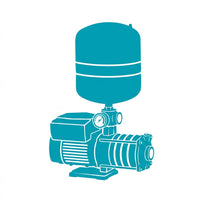
Most switches work with a pressure vessel or pressure tank. The tank stores a small volume of pressurised water and uses an air charge to reduce how often the pump starts. This matters because frequent starts place extra stress on the motor, capacitor, switch contacts and pipework.
A pressure switch is different from an electronic pump controller or presscontrol unit. Electronic controllers commonly start the pump on flow or pressure drop and stop it when flow ceases. Some offer dry-run protection, while a standard pressure switch generally relies on the pressure tank and system design. Before ordering a replacement, confirm which control method is already installed.
Signs a pressure switch may need replacement
Pressure switches do wear out, particularly where pumps cycle frequently, operate in damp conditions or handle water with sediment, iron or mineral deposits. Burnt or pitted contacts can prevent reliable motor operation. A blocked pressure port can also stop the switch sensing the true system pressure.
Common symptoms include a pump that hums but does not start, runs without stopping, starts and stops every few seconds, or requires the switch cover to be tapped before it operates. Visible corrosion, heat damage, loose terminals or a burnt electrical smell are clear reasons to isolate the system and investigate.
These symptoms do not automatically mean the switch is at fault. A leaking non-return valve, water leak, blocked filter, failed pressure tank bladder, low tank air charge or worn pump impeller can create similar problems. Replacing the switch first may not solve the underlying issue.
Pressure switch replacement: what must match
The old switch provides a useful starting point, but its label should be checked against the actual pump installation. Settings and ratings are sometimes changed during previous repairs, so do not assume the existing part is correct.
Cut-in and cut-out pressure
The cut-in and cut-out pressures must provide usable water pressure without exceeding the pump or tank limits. A common domestic arrangement may start around 140 kPa and stop around 280 kPa, though many systems operate at higher settings. Rural irrigation, multi-storey buildings and specialised process systems may require a different range entirely.
The pressure difference between cut-in and cut-out is called the differential. Too narrow a differential can cause rapid cycling. Too wide a differential may leave a noticeable drop in pressure before the pump restarts. Adjustable switches allow some flexibility, but adjustments should stay within the equipment's approved operating limits.
Electrical rating and motor type
The replacement switch must be rated for the pump motor's voltage, phase and current draw. Many residential pumps are 240 V single-phase, while larger installations may be three-phase and controlled through a contactor rather than directly through the pressure switch.
Do not select a switch based only on the pump's kilowatt rating. Check the motor nameplate for full-load current and confirm the switch contact rating is suitable for motor starting duty. Starting current is substantially higher than running current, and undersized contacts can overheat or weld closed.
Connection and installation details
Check the threaded port size and thread type, whether the switch mounts directly to a manifold or via a short nipple, and whether a pressure gauge shares the same fitting. A switch needs an open pressure path to the water line. Thread sealant applied carelessly can block the small sensing port and make a new switch appear faulty from day one.
Also inspect the enclosure rating. A switch in a covered pump shed has different exposure from one near a bore head, wash-down area or outdoor irrigation manifold. Where moisture, insects and dust are ongoing issues, proper enclosure protection and cable entry are part of a reliable repair.
Pressure tank compatibility
On systems with a pressure tank, the tank pre-charge is normally set below the pressure switch cut-in setting. As a general guide, the pre-charge is often about 10 to 20 kPa below cut-in, measured with the pump isolated, water drained from the tank side and no water pressure present.
If the air charge is too high, little or no water enters the tank before the pump starts. If it is too low, the tank holds less useful drawdown and the pump cycles excessively. A replacement switch will not correct a split bladder or a waterlogged tank.
Isolate and test before changing parts
A pressure switch is connected to mains electrical equipment and water under pressure. Turn off power at the appropriate isolator or switchboard circuit, lock out where required, and verify the circuit is dead before removing a cover or touching terminals. Electrical disconnection and reconnection should be completed by a licensed electrician.
A technician will generally inspect the wiring, measure supply voltage, check motor current, confirm actual cut-in and cut-out pressure, and test the tank pre-charge. They may also clean or test the sensing line before condemning the switch. This method is quicker than replacing several parts by trial and error, particularly on a bore pump or a system where downtime affects livestock, irrigation or building services.
If contacts are burnt, ask why. A failing capacitor, low voltage supply, seized pump, incorrect switch rating or excessive cycling can destroy a new switch just as quickly as the old one.
Setting the replacement switch correctly
Once the correct switch is installed and electrical work is complete, pressurise the system and observe several full pump cycles. Check that the pump starts at the intended cut-in pressure, stops at the intended cut-out pressure and does not cycle while all outlets are closed.
Adjustments should be small and deliberate. Raising cut-out pressure can improve pressure at distant fixtures, but it also increases load on the pump and may exceed the pressure rating of filters, flexible hoses, hot water components or older pipework. On a pump with limited head capability, setting the cut-out too high can cause the motor to run continuously because it cannot reach the stop pressure.
Check for leaks after the work is complete, including around the switch port, gauge connections and pressure tank manifold. A slow leak can make a healthy pump restart overnight and is often mistaken for a control fault.
When a pressure switch is not the best replacement
A standard pressure switch remains a practical, repairable option for many pressure tank systems. However, it is not always the best control choice. A constant-pressure drive can provide steadier pressure across varying demand, although it has a higher upfront cost and requires appropriate motor compatibility. An electronic controller may suit a compact household system, but it may not deliver the same drawdown benefits as a correctly sized pressure tank.
For systems suffering from dry running, look beyond basic pressure switching. Bore pumps, rainwater pumps and transfer systems can need dry-run protection, level controls or float switches depending on the water source and application. The control system should protect the pump as well as start and stop it.
A pressure switch is a small component with a large job. Matching it properly, checking the pressure tank and confirming the reason for the original failure gives the pump the best chance of returning to dependable service. If the setup is unclear, a pump specialist can identify the right control arrangement before a minor fault becomes a costly pump replacement.