


A water recycling system can look straightforward on a site plan: collect water, treat it, store it and use it again. In operation, the hard work sits in the details. Water recycling depends on consistent water quality, correctly sized storage, suitable pipework and pumps that can deliver the required flow and pressure without being damaged by solids, chemicals or frequent starts.
For Australian homes, farms, commercial buildings and industrial sites, reuse can reduce reliance on mains supply and lower wastewater volumes. It is not, however, a one-size-fits-all project. The source water, intended reuse, site conditions and local approval requirements determine what system is practical.
What water recycling means in practice
Water recycling is the collection and treatment of used water so it can be safely used for another approved purpose. The level of treatment required depends on where the water came from and where it will be used.
Greywater is wastewater from showers, baths, hand basins and laundries. It may be suitable for subsurface garden irrigation or toilet flushing once treated through an approved system. Kitchen water is commonly excluded because fats, food particles and detergents create a higher treatment load.
Blackwater includes wastewater from toilets and, depending on the system design, kitchen sources. It requires substantially more treatment before reuse. Commercial and industrial sites may also recover process water, wash-down water or cooling water, but these applications need careful assessment for contaminants, temperature, pH and suspended solids.
Rainwater harvesting is often discussed alongside recycled water. It is not wastewater recycling, but it can work well with it. A site may use rainwater for toilets, wash-down or irrigation while treated greywater supports a separate irrigation demand. Combining sources can improve supply resilience, provided the plumbing, treatment and controls keep each water stream properly managed.
Start with the end use, not the pump
The first question is not which pump to buy. It is what the recycled water will do. Irrigation, toilet flushing, truck wash-down, dust suppression and cooling make very different demands on a system.
For irrigation, confirm the irrigation method and required operating pressure. Drip irrigation usually needs filtration and controlled pressure, while sprinklers may need higher flow and pressure. Toilet flushing needs reliable pressure at peak use, along with approved backflow protection and clear separation from drinking-water lines. For wash-down, a system may need intermittent high flow and a pump able to cope with regular starts.
Then calculate the duty point: the flow rate required at the pressure needed at the furthest or highest outlet. Static lift, friction losses through pipes and filters, and the pressure required by end-use equipment all matter. A pump that looks adequate by its maximum flow figure may be unsuitable once those losses are included.
This is where selecting by brand name or kilowatt rating alone causes problems. The correct choice is a pump that performs efficiently at the actual duty point and suits the water quality it will handle.
Collection and treatment protect the whole system
A recycling system is only as reliable as its pretreatment. Hair, lint, leaves, grit, oil and food waste can block filters, foul tanks and jam pumps. The more variable the incoming water is, the more important it is to remove solids before the storage and pumping stages.
A typical system may include screening or settling, biological treatment, filtration and disinfection. Some systems use ultraviolet treatment, while others use chlorination or another approved disinfection method. Each approach has operating requirements. UV treatment needs clear water and clean lamps or sleeves; chemical dosing needs correct concentration, contact time and ongoing monitoring.
Filtration should be matched to the end use and the equipment downstream. Fine emitters, solenoid valves and toilet cistern components are less forgiving than a wash-down hose. On a farm or commercial site, allowing easy access for filter cleaning and replacement is often more valuable than fitting a system that is technically capable but difficult to service.
Treatment equipment also needs protection from poor inflow conditions. For example, diverting the first wash from a roof, keeping stormwater out of wastewater tanks and preventing trade waste from entering a greywater stream can reduce maintenance and improve treated-water consistency.
Pump selection for recycled water systems
Pumps used in recycled-water applications need to suit more than flow and head. Consider the liquid itself, the control arrangement and the consequences of downtime.
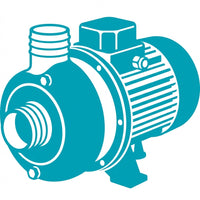
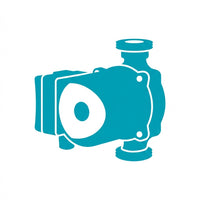
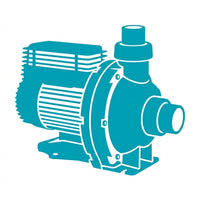
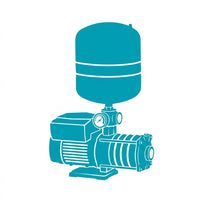
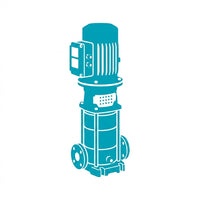
A clean-water pressure pump may be suitable after effective filtration and treatment, particularly for toilet flushing, garden irrigation or wash-down. A multistage pressure pump can provide steady pressure where demand varies. Where water contains residual solids, a wastewater or vortex-style pump may be required at the collection or transfer stage instead.
Materials matter. Recycled water can contain disinfectant residuals, detergents and dissolved salts that may affect some seals, elastomers and metals over time. Check material compatibility with the treatment process, especially in systems using chlorination or chemical dosing.
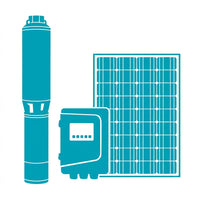
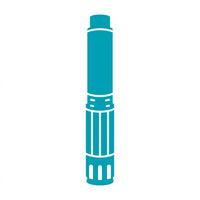
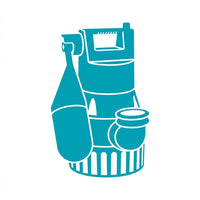
The installation arrangement matters just as much. A submersible pump saves space and can be practical in below-ground tanks, but access for inspection and replacement should be planned from the start. A surface-mounted pump is easier to service, although it needs weather protection, correct suction conditions and safeguards against running dry.
For most pressure applications, an automatic controller or pressure switch is part of the package. It should be selected for the pump, demand pattern and available tank volume. A pressure tank may reduce rapid cycling where there are small, frequent draws. Level controls are equally important: they prevent dry running, start transfer pumps at the right point and can trigger mains backup where permitted.
Plan for backup without cross-connection
Recycled water supply is not always constant. Holiday periods, low occupancy, seasonal irrigation demand and treatment downtime can all change the available volume. A backup supply may be necessary, but drinking water must be protected from contamination.
This is not a job for an improvised tee fitting between a tank and mains line. Backflow prevention, air gaps, appropriate labelling and compliant plumbing arrangements are essential. Requirements vary by state, territory and local authority, so engage a suitably licensed plumber and confirm the approvals that apply to the project.
Common faults that reduce system reliability
Most recycled-water failures are not caused by one dramatic component fault. They build up through small issues: a blocked screen, a dirty filter, a failed float switch, an air leak on a suction line or a pump that has been cycling against a closed valve.
Poor tank hygiene is another common cause. Sediment build-up can shorten pump life and reduce usable capacity. Tank inlets, overflows and access covers should be arranged to limit debris and allow cleaning. If a pump is installed at the base of a tank, consider how sediment will be managed and whether the suction point should sit above the floor.
Pressure problems should be investigated rather than masked by fitting a larger pump. Low pressure may come from a blocked filter, undersized pipe, excessive elevation, worn impellers or an incorrect controller setting. Increasing pump size can add power use, noise and cycling without fixing the restriction.
A maintenance schedule keeps these issues visible. The required frequency depends on water quality and use, but screens, filters, tank levels, alarms, valves and pump operation should be checked routinely. Commercial systems should also keep service records, particularly where recycled water supports essential amenities or process equipment.
When water recycling is worth the investment
Water recycling is most effective when supply and demand broadly align. A household with regular garden irrigation and toilet-flushing demand may gain more value from treated greywater than one with low occupancy and little outdoor use. A commercial facility with consistent wash-down or cooling demand may justify more sophisticated treatment and monitoring.
The trade-off is that higher treatment quality, larger storage and more automation usually mean greater capital cost and more maintenance. The aim is not to recycle every litre at any cost. It is to build a system that delivers useful water reliably, meets the required standard and can be serviced without disrupting the site.
For pump-dependent systems, allow for isolation valves, unions, accessible filters, level alarms and a realistic maintenance path. These details make repairs faster and help avoid unnecessary downtime.
A well-planned recycled-water system should be easy to understand on the day something needs attention. Clear pipe identification, sensible equipment access and the right pump for the actual duty will do more for long-term reliability than an oversized specification ever will.