



A firefighting pump that will not start when the power is out is not much protection during a bushfire or site emergency. That is why the diesel vs electric firefighting pump decision should begin with the conditions at the property, not simply the purchase price or engine preference. Water source, required flow, pressure, access, fire risk and ongoing maintenance all affect the right answer.
For many Australian homes, farms and commercial sites, a portable diesel unit is the practical standby option. An electric pump can be an efficient and convenient choice where dependable mains power or a correctly designed backup supply is available. Neither is automatically better. The pump needs to deliver water where it is needed, when it is needed.
Diesel vs Electric Firefighting Pump: The Main Difference
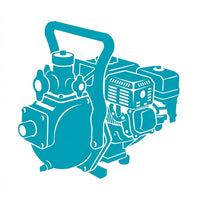
A diesel firefighting pump uses an internal-combustion engine to drive the pump. It carries or draws on fuel, starts independently of mains electricity and is commonly mounted on a skid, trolley or trailer. This makes it well suited to rural properties, sheds, machinery yards and locations where grid power may be interrupted by fire, storms or fallen lines.
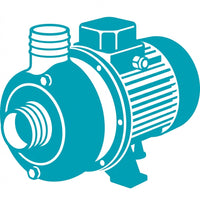
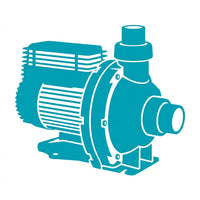
An electric firefighting pump uses an electric motor. It may be supplied from mains power, a generator, battery-inverter system or, in some applications, a dedicated electrical fire-pump arrangement. Electric units are generally quieter, require less routine engine care and are straightforward to operate where the electrical supply is reliable.
The key distinction is independence. A diesel unit has its own power source, while an electric unit depends on a power supply being available and correctly sized. That matters most during the exact event the pump is intended to manage.
When a Diesel Firefighting Pump Makes Sense
Diesel is often the preferred option for bushfire-prone rural properties because it can continue operating after a mains outage. A properly maintained engine, clean fuel and a protected water source give the operator an independent means of moving water for asset protection or emergency response.
It is also a sensible choice where the pump needs to be mobile. A diesel pump can be taken to a dam, tank, creek or remote work area without running long electrical leads. For farmers, contractors and maintenance teams, that flexibility can be more valuable than the convenience of a fixed electric installation.
Diesel engines also suit applications needing sustained output. If the pump is expected to supply multiple hoses, a long hose run, sprinklers or a property firefighting line, the engine must be matched to the duty rather than selected on appearance or inlet size alone. A larger engine does not guarantee useful firefighting performance if the pump hydraulics, suction line and water supply are wrong.
Diesel does bring obligations. Fuel must be kept fresh and free from water contamination, oil levels need checking, batteries must be charged, and the engine should be run regularly under load. Exhaust, noise and heat also mean the unit must be positioned safely, with adequate ventilation and clear access for refuelling and servicing.
Diesel pump limitations to allow for
A diesel pump will not solve poor site preparation. It still needs a reliable water source, a suitable suction setup and a hose layout that avoids excessive friction loss. If the pump is positioned too high above the water level, has leaking suction fittings or uses undersized hose, performance can fall well below expectations.
Cold starts, starter batteries and old fuel are common weak points. A diesel pump that has sat unused since the previous fire season should never be assumed ready. Regular test runs are part of ownership, not an optional extra.
When an Electric Firefighting Pump Is the Better Fit
An electric pump can be a very practical solution for a house, workshop, accommodation building or facility with a dependable power supply. It starts easily, runs with lower noise and eliminates engine servicing tasks such as fuel management, oil changes and spark or injector-related maintenance.
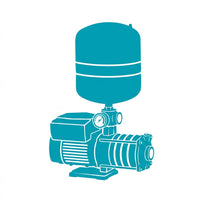
For a fixed tank-to-hydrant, hose reel or wash-down arrangement, electric can be particularly convenient. The pump can be permanently plumbed, controlled by a pressure switch or manual starter, and used for other water duties where appropriate. This may suit properties that need regular water transfer or pressure boosting as well as a firefighting capability.
Electric motors are also well suited to enclosed or noise-sensitive locations where diesel exhaust is undesirable. Provided the motor, switchgear and cabling are correctly selected and protected, an electric setup can offer dependable service with comparatively low day-to-day attention.
The major question is what happens when mains power fails. Bushfires can damage electricity infrastructure before flames reach a property. Severe weather can also cause outages at the same time water is needed for fire protection. If an electric firefighting pump relies only on the grid, that risk must be accepted or addressed with suitable backup power.
Backup power is part of the electric pump decision
A generator can provide a workable backup supply, but it must be capable of handling the pump motor's starting current, not just its running watts. The generator also needs to be accessible, fuelled, maintained and safely connected when conditions are poor. A small household generator that runs lights and a fridge may not start a larger pump motor.
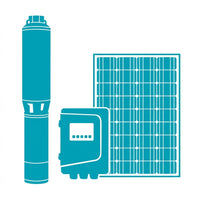
Battery and inverter systems can be suitable for selected smaller pumps, but run time, motor start-up demand and charging arrangements need careful consideration. For critical applications, the whole power path matters: generator, changeover equipment, cabling, protection, controls and the person available to operate it.
Compare Performance, Not Just the Power Source
The best firefighting pump is selected around its duty point. Start with the flow required at the hose or sprinkler, then work back through pipe length, elevation, fittings and the water source. High pressure on a pump label does not necessarily mean high usable flow at the end of a long hose run.
For example, a property using one hose near a water tank has very different requirements from a farm needing to run two hoses across a paddock. The latter may need more flow, larger delivery hose, better suction arrangements and a pump designed to maintain pressure under demand. A pump that performs well for garden irrigation may not provide the pressure and volume required for firefighting use.
Pay close attention to suction. Use the correct reinforced suction hose, secure fittings and an appropriate strainer or foot valve where required. Keep the suction run as short and direct as practical. A pump cannot deliver water it cannot draw effectively.
Water quality matters as well. Dams and creeks may contain silt, leaves or debris that can block strainers and damage seals. Tank water is generally cleaner and easier to manage, but tank outlets, valves and reserve capacity should be checked before fire season.
Installation and Safety Considerations
Portable firefighting pumps should be positioned on stable ground, away from direct flame exposure and clear of combustible material. Do not run a diesel engine inside a shed, garage or enclosed pump room unless the installation is specifically designed for engine exhaust and ventilation. Keep hoses arranged to avoid trip hazards and protect them from vehicle traffic and hot surfaces.
Electric installations require weatherproof equipment, correct earthing and electrical protection. Electrical work should be completed by a licensed electrician. Never use damaged extension leads or improvised connections around water.
If the pump forms part of a regulated building fire system, it is not a standard portable-pump selection exercise. System design, pump performance, controls, installation and testing may be subject to Australian Standards, insurer requirements and local authority conditions. Obtain project-specific advice before choosing equipment or modifying an existing system.
Servicing Determines Whether the Pump Is Ready
Both types need planned attention. Test the pump before the high-risk season and after any repairs or long storage period. Confirm it primes correctly, holds pressure, has no leaks and delivers water through the actual hose and nozzle arrangement used on site.
For diesel units, inspect fuel, oil, filters, battery condition, cooling, belts and engine controls. For electric units, check the motor, electrical connections, switches, protection devices and backup supply. In either case, inspect seals, impellers, strainers, hose couplings and valves.
Foundation Pumps can help match a pump and accessories to the actual application, including water source, hose length, flow requirement and available power. That advice can prevent the common and costly mistake of buying a capable-looking pump that is unsuitable once installed.
The right choice is the pump you can start confidently, supply with water reliably and maintain properly. Before fire season, run the complete system at the property - not just the pump on its own - so any weak point is found while there is time to fix it.