





Low shower pressure, weak garden taps and toilets that take too long to refill usually point to the same problem - your water supply is not delivering enough pressure where you need it. This domestic water pressure pump guide is built for Australian homeowners, plumbers and trade buyers who want to choose the right pump the first time, without paying for capacity they do not need or installing a system that cycles itself to death.
A pressure pump can fix poor performance, but only when it matches the application. That is where many systems go wrong. The issue is rarely just “more pressure”. It is usually a mix of flow rate, pipework, elevation, water source, start-stop demand and the way the home actually uses water across the day.
What a domestic water pressure pump actually does
A domestic pressure pump increases water pressure and maintains usable flow to fixtures and appliances around the home. In practical terms, it helps water move with enough force to supply showers, taps, toilets, irrigation points and household equipment without the weak output that makes a system frustrating to live with.
Most domestic setups fall into one of two situations. The first is mains water boosting, where incoming town supply pressure is too low or inconsistent for the property. The second is supply from a rainwater tank, storage tank or other onsite source, where the pump is responsible for delivering pressure to the whole house or selected outlets.
That distinction matters because the right pump for a tank-fed home may not be the right option for a low-pressure mains supply. Local regulations, available inlet pressure and the way the system is controlled all affect the final selection.
Domestic water pressure pump guide: start with the application
Before looking at brands or power ratings, start with what the pump must actually do. A single-storey home using tank water for toilets and laundry has a very different demand profile from a large two-storey house with multiple bathrooms, outdoor taps and irrigation zones.
The first question is water source. Are you boosting town water, drawing from a tank, or transferring water from storage? The second is demand. How many outlets are likely to run at once, and how much flow do they need? The third is pressure expectation. A pump that feels fine at a garden tap might be underwhelming for a bathroom with a rainfall shower and mixer set.
It also pays to think about how often the pump will start. Homes with small intermittent draws, such as toilet cisterns, filtered water lines or minor leaks, can cause nuisance cycling if the pump and controller are not well matched. Frequent cycling shortens pump life and makes the system noisier and less efficient.
Choosing between common domestic pump types
For most homes, the decision comes down to a compact pressure pump set, a multistage pressure pump, or a pump paired with a pressure controller or pressure tank. Each has strengths, and each suits a different style of installation.
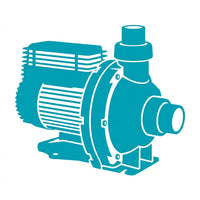
A standard automatic pressure pump is often the practical choice for general household supply from a tank. It starts when demand begins and stops when taps close. These pumps are widely used because they are straightforward to install and suit typical domestic duty.
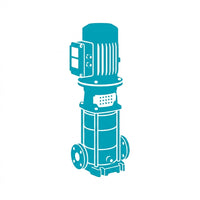
A multistage pump is often the better fit when a home needs higher, more stable pressure across several outlets. These pumps are generally quieter and more refined in operation, and they are a strong option for larger homes or applications where pressure consistency matters.
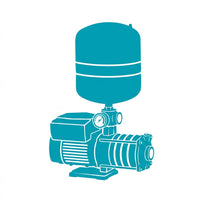
Pressure controllers are common in domestic systems because they automate pump start and stop based on flow and pressure. They can work well, but they are not always ideal in every installation. A system with a pressure tank can reduce cycling and deliver smoother operation, especially where there are small, repeated water draws.
Self-priming capability may also matter. If the pump sits above the water source, as it often does with rainwater tanks, the unit must be able to prime properly and handle suction conditions within its limits. Long suction runs, poor foot valve performance and air leaks on the inlet side can quickly turn a good pump into a troublesome one.
How to size a pump without guessing
Pump sizing should never be based on horsepower alone. The correct size comes from balancing flow and head. Flow is how much water you need, usually measured in litres per minute. Head is the resistance the pump must overcome, including elevation, pipe friction and the pressure required at the outlet.
For a typical domestic home, flow demand is based on how many fixtures may run together. One person showering while another uses a basin and the washing machine fills creates a very different demand from a single tap in use. Oversizing for every possible peak can waste money, but undersizing creates daily frustration.
Head calculation is where many selection errors happen. If the house is uphill from the tank, or if the pump has to push water to a second storey, static lift becomes a real factor. Add long pipe runs, undersized pipe, elbows, valves and filters, and the total resistance climbs further.
The target is a pump that delivers the required flow at the actual duty point, not one that looks impressive on paper at zero head. A pump curve matters more than a motor label. That is why application advice is valuable, particularly when the property has unusual layout, long runs or mixed household and outdoor demand.
Common installation factors that affect performance
Even the right pump can perform poorly in a bad installation. In domestic systems, suction conditions are often the first point to check. Pumps do not like being starved of water, and a restricted or leaking suction line can cause cavitation, loss of prime and early wear.
Pipe sizing should match the duty of the system. Too-small pipework increases friction loss and can make a decent pump feel weak. Inlet strainers, non-return valves and filtration also need to be selected carefully. They protect the system, but they add resistance, so they must be allowed for.
Pump location matters as well. A unit mounted in the open without weather protection may suffer from heat, rain or corrosion over time. A cramped enclosure can create ventilation and service access issues. Noise is another practical issue in domestic settings. A quieter multistage pump or a better-mounted system can make a significant difference if the pump sits near bedrooms or living areas.
Electrical supply is not something to overlook. The pump needs the correct voltage, proper protection and suitable installation by a licenced professional where required. A good hydraulic setup can still fail if power quality, overload protection or controller settings are wrong.
Mistakes buyers make with domestic pressure pumps
The most common mistake is assuming all low-pressure issues need a bigger pump. Sometimes the real problem is blocked filtration, poor pipe sizing, faulty pressure control, tank outlet restriction or a leak in the line. Replacing the pump without addressing the system usually leads to disappointment.
Another mistake is buying to the highest pressure number on the box. High pressure without enough flow does not solve household demand, and too much pressure can create its own problems for fittings and plumbing components. The useful question is not “What is the maximum pressure?” but “What pressure and flow will this pump provide in my installation?”
There is also a tendency to under-value serviceability. Domestic pumps are working equipment, not set-and-forget appliances forever. Access to spare parts, known brands and local support matters. When a controller fails or a seal needs replacement, buyers generally prefer a supported product over an off-brand unit that becomes disposable.
When it makes sense to upgrade, not replace like-for-like
If the current pump has always struggled, replacing it with the same model may just repeat the problem. An upgrade is often worth considering when household demand has changed, such as a renovation adding bathrooms, outdoor living areas or irrigation. It also makes sense when the original installation was built to a price rather than a duty point.
A better pump may offer quieter operation, improved pressure stability and stronger performance at simultaneous outlets. In some homes, adding a pressure tank or refining the control method gives better results than simply moving to a larger motor.
For buyers comparing recognised brands, the differences are not only about price. Build quality, motor design, controller reliability, spare parts support and workshop service all matter over the long term. That is one reason many Australian customers work with specialist suppliers such as Foundation Pumps rather than treating pressure pumps as a basic hardware purchase.
A practical way to choose the right system
If you want to get the selection right, gather the key information before you buy. Know your water source, the vertical height from source to highest outlet, the approximate pipe run, the number of outlets likely to operate together, and whether the pump is supplying the whole house or only selected points.
Also note any existing problems such as pressure fluctuation, air in the line, noisy operation or rapid start-stop cycling. These details help identify whether the issue is pump sizing, control, installation or a broader system fault.
The best domestic water pressure pump guide is not just a product list. It is a reminder that pump choice sits inside the full water system. When the pump, controls and pipework are matched properly, the result is simple - reliable pressure, steady performance and fewer call-backs later. If there is any uncertainty, getting technical advice early is usually cheaper than correcting the wrong pump after installation.
A good domestic pump should feel unremarkable once it is in service. You turn on the tap, the water arrives as expected, and the system gets on with the job.