





A rainwater tank is only as useful as the pump attached to it. If the pressure is poor, the pump cycles constantly, or the unit is the wrong fit for the job, the whole system becomes frustrating to live with. Choosing the best pump for rainwater tanks comes down to one thing - matching the pump to the application rather than buying on price or brand name alone.
For some properties, that means a quiet pressure pump for toilets, laundry and garden taps. For others, it means a higher-flow system to handle irrigation zones, washdown points or stock water demands. The right answer depends on how the water is being used, how far it needs to travel, and how consistently the system needs to perform.
What makes the best pump for rainwater tanks?
The best pump is not always the biggest pump, and it is rarely the cheapest one. In practical terms, a good rainwater tank pump needs to deliver reliable pressure, suitable flow, and stable operation without excessive noise, rapid cycling or unnecessary wear.
For most Australian homes, the pump has to do more than move water from the tank to a tap. It often needs to supply toilets, washing machines, outdoor taps and garden watering points. That means the pump has to maintain pressure when demand changes. If someone turns on a hose while the washing machine is filling, the system still needs to cope.
A well-chosen pump should also suit the water source and installation layout. The distance from tank to house, the number of fixtures running at once, elevation changes on site, pipe size and friction loss all affect performance. This is where many pump selection mistakes happen. A unit may look adequate on paper, but once installed it struggles because the real duty point was never properly assessed.
The main pump types for rainwater tanks
There is no single pump type that suits every tank setup. In most cases, the choice comes down to pressure pumps, submersible pumps, or multistage systems.
Surface pressure pumps
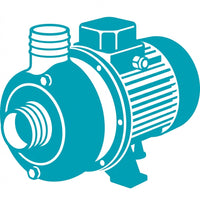
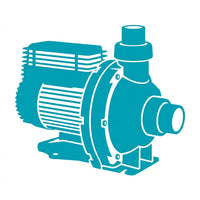
Surface-mounted pressure pumps are a common option for domestic rainwater systems. They sit outside the tank and draw water through a suction line. They are often used where the tank is close to the point of use and access for servicing matters.
Their strengths are straightforward installation, easy maintenance access and solid performance for household supply. The trade-off is noise, exposure to weather and some limits around suction lift. If the pump is too far from the tank or the suction arrangement is poor, priming and performance can become an issue.
Submersible tank pumps
Submersible pumps sit inside the rainwater tank and push water rather than draw it. That makes them a strong option for households where quiet operation matters or where suction limitations would affect a surface pump.
They are commonly chosen for domestic pressure supply because they are quieter and often neater in appearance. They can also be a good fit where space around the tank is limited. The main consideration is access for servicing or replacement, as the pump needs to be removed from the tank if work is required.
Multistage pumps
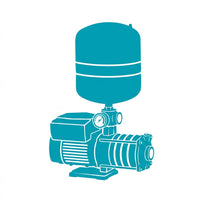
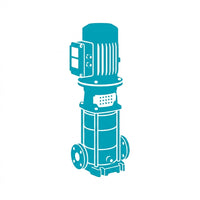
Multistage pumps are designed to provide higher pressure with efficient water delivery. They are often used where there is a more demanding setup, such as larger homes, irrigation systems or commercial applications.
A multistage unit can be an excellent choice when consistent pressure is important across several outlets. The key is making sure the pump curve matches the actual demand. Overspecifying a multistage pump can create control issues and shorten service life just as easily as undersizing one.
How to choose the right size pump
Sizing is where the best results are won or lost. A pump should be selected to meet your required flow and pressure at the same time, not one or the other.
Flow rate is about how much water you need, usually measured in litres per minute. Pressure or head is about how hard the pump needs to work to move that water through the system. A garden tap used occasionally has a different requirement to a full house supply with toilets, laundry and irrigation connected.
Start with the likely peak demand. In a domestic setup, think about which fixtures may operate together. If the tank water supplies only the garden, the duty may be relatively simple. If it supplies internal plumbing as well, the load becomes more variable and the pump needs better control.
Then consider total head. This includes vertical lift, pipe friction, length of pipe run and any pressure requirement at the outlet. A pump that looks fine based on tank-to-house distance alone may still underperform if the pipe run is long, undersized or full of bends and valves.
This is why pump curves matter. The rated maximum flow on a box tells only part of the story. What matters is what the pump can deliver at your actual working head.
Pressure control matters more than many buyers expect
A rainwater tank pump is not just a motor and impeller. The control method has a major effect on usability and pump life.
Basic pressure switches can work well in simpler applications, but they need to be matched properly. If settings are wrong, the pump may cycle too often or fail to deliver stable pressure. Constant cycling is one of the fastest ways to shorten pump life.
Electronic controllers are common on modern domestic systems and can improve convenience. They often offer automatic start and stop, dry-run protection and more compact installation. Still, they are not a cure-all. In poor-quality installations or demanding applications, the wrong controller can lead to nuisance starting, pressure fluctuation or service issues.
Variable speed systems sit at the higher end and are often used when pressure consistency is critical. These systems adjust pump speed to meet changing demand. They cost more upfront, but in the right application they provide better user experience and can reduce mechanical stress.
Common mistakes when choosing a rainwater tank pump
One of the most common mistakes is buying based on maximum pressure alone. High pressure sounds appealing, but if the system does not need it, it may create more problems than benefits. Excessive pressure can strain plumbing components and make the pump harder to manage.
Another frequent issue is choosing a pump with insufficient flow for multiple outlets. A unit may run a hose adequately, yet struggle once a toilet cistern and washing machine call for water at the same time.
Pump location is another factor that gets overlooked. A surface pump mounted in the wrong position can be noisy, weather-exposed and difficult to prime. A submersible pump may be a better fit in those cases, even if the upfront cost is higher.
Water quality also matters. Rainwater is generally suitable for pump use, but debris, fine sediment and poor tank maintenance can affect seals, impellers and control devices over time. Filtration and tank hygiene should be considered part of the pump system, not separate issues.
Best pump for rainwater tanks by application
For a standard household using tank water for toilets, laundry and outdoor taps, a quality pressure pump or submersible pressure system is usually the best fit. Quiet operation, automatic control and dependable pressure matter more here than chasing oversized performance figures.
For garden watering and small irrigation, the best option depends on whether demand is light and occasional or spread across multiple outlets. A basic pressure pump may suit handheld watering, while a stronger multistage setup can be the better choice for larger irrigation zones.
For rural properties, flow demand often varies more widely. Stock troughs, washdown, gardens and household supply may all rely on the same system. In that case, durability and duty matching become more important than keeping initial cost to an absolute minimum.
For commercial or trade applications, there is usually less tolerance for pressure drop, downtime or control problems. A properly specified system with known brand support, available spare parts and local technical backup is generally the safer long-term choice.
Brand quality and support still matter
Even with the right pump type and size, product quality makes a difference. Established pump brands tend to offer more consistent performance, clearer technical data and better spare parts support over time. That matters when a pump is part of an everyday water supply rather than an occasional-use accessory.
For Australian buyers, after-sales service should also be part of the decision. Pumps are working equipment. They may need maintenance, controller replacement, seal kits or troubleshooting over the life of the system. That is why many customers prefer dealing with a specialist supplier such as Foundation Pumps rather than taking a guess through a generic retailer.
If you are trying to identify the best pump for rainwater tanks, the clearest path is to start with the application. Work out the actual flow required, the pressure needed, the installation layout and how the system will be controlled. Once those details are clear, the right pump usually becomes obvious - and it will keep doing its job long after the purchase price has been forgotten.