

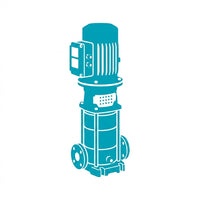


A pressure pump earns its keep when nobody has to think about it. The shower stays steady while the washing machine fills, a garden tap has usable flow, and a rainwater system starts when it should. This Grundfos pressure pump review looks at whether that everyday reliability justifies the higher upfront cost for Australian homes, farms and light commercial applications.
Grundfos has a strong reputation in water movement equipment, particularly where consistent pressure, integrated controls and long service life matter. That does not mean every Grundfos pump is the right answer. The best result comes from matching the pump to the water source, demand, pipework and installation conditions rather than buying on brand name alone.
Grundfos pressure pump review: the short answer
For most domestic pressure boosting and rainwater transfer duties, Grundfos pressure pumps are a quality choice. They are generally quiet, compact, well engineered and designed with protection features that reduce common operating problems such as dry running, excessive cycling and overheating.
The trade-off is price and application fit. A Grundfos unit can cost more than a basic fixed-speed pressure pump, and its electronic controls need clean power, sensible installation and a system that falls within the pump's operating range. Where a simple tank-to-tap setup only needs modest flow, a less sophisticated pump may represent better value. Where pressure consistency, low noise and dependable automatic operation are priorities, Grundfos is often worth considering.
Where Grundfos performs well
Grundfos offers several pressure pump configurations, from compact all-in-one domestic units to multistage booster systems for larger homes, irrigation zones and commercial buildings. The common thread is a focus on controlled water delivery rather than simply producing the highest possible pressure.
Consistent pressure at changing demand
This is where variable-speed models stand apart. A conventional fixed-speed pump runs at full speed whenever a tap opens, then stops once the pressure switch reaches its cut-out setting. Pressure can rise and fall noticeably as demand changes, particularly if more than one outlet is operating.
A variable-speed pump, such as the Grundfos SCALA2, adjusts motor speed in response to demand. In practical terms, that can mean less pressure drop when a second shower, toilet or outdoor tap is used. It is particularly useful in homes supplied from rainwater tanks, houses with multiple bathrooms, or sites where occupants are sensitive to fluctuating shower pressure.
The benefit still has limits. No pump can overcome undersized pipework, blocked filters, a restricted tank outlet or an inadequate water supply. If a pump is starved for water, the control system cannot create flow that is not available.
Low operating noise
Noise matters more than many buyers expect. Pumps are often installed beside a laundry, under a deck, near a bedroom wall or in a compact plant area. Grundfos domestic pressure pumps are commonly selected where quieter operation is important, especially compared with older jet pumps or oversized fixed-speed units.
Quiet does not mean silent. Vibration can travel through rigid pipework and timber framing, and a pump installed directly against a lightweight wall may still be noticeable. Use a stable base, flexible connectors where appropriate, and correctly supported suction and discharge pipework. Installation quality has as much influence on perceived noise as the pump itself.
Built-in protection and controls
Many Grundfos pressure systems include dry-run protection, automatic start and stop functions, alarms or fault indication, and thermal safeguards. These features are valuable on rainwater and tank systems, where an empty tank, closed valve or suction-side air leak can otherwise cause pump damage.
They also reduce the need to assemble separate pressure switches, controllers and protection devices. That can simplify a replacement job and make fault finding more straightforward. However, integrated electronics are not a substitute for maintenance. Filters still need cleaning, tanks need checking, and pipework leaks need repair.
Build quality and serviceability
Grundfos is established in domestic, commercial and industrial pumping, and its products are generally built around durable materials and well-considered hydraulic design. For buyers who expect a pump to remain in service for years, this is a meaningful advantage.
Serviceability depends on the specific model, age and fault. Some issues are resolved by correcting suction problems, clearing a blockage or replacing an accessory. Other repairs may involve electronic components or motor assemblies and need assessment against the cost of replacement. Before buying, it is worth confirming local spare-parts support for the chosen model rather than assuming every component is economical to repair.
Which Grundfos pressure pump suits each job?
The model family matters more than the label on the carton. A compact domestic all-in-one unit may be ideal for a rainwater tank feeding toilets, laundry and garden taps, but not for a large property with several simultaneous irrigation zones.
The SCALA range is often considered for domestic water pressure and rainwater applications. SCALA2 is suited to users wanting constant pressure across changing household demand. SCALA1 can suit automatic water supply and boosting applications where a self-priming unit and built-in control are useful. Selection should be based on the required duty, not simply on which model has the higher listed pressure.
For larger residences, accommodation sites, amenities buildings or light commercial applications, a multistage booster such as a CMBE package may be more appropriate. These systems can provide higher capacity and controlled pressure, but they require proper design. Pipe sizing, inlet conditions, electrical supply, pressure setpoint and peak flow all need to be checked.
A farm application needs even more care. Watering stock, supplying a farmhouse, filling troughs and running irrigation are very different duties. One pump may not be the best solution for all of them, particularly where long pipe runs and elevation changes are involved. In some cases, separating domestic pressure supply from irrigation avoids poor performance and unnecessary cycling.
What to check before choosing one
Pump selection starts with the job, not the existing pump's nameplate. First, establish the water source: rainwater tank, mains backup, dam, bore, header tank or another supply. The available inlet pressure and suction lift affect what a pump can safely deliver.
Next, calculate likely simultaneous demand. A house with one bathroom and a few rainwater connections needs a different duty point from a two-storey home with three bathrooms, outdoor outlets and a filtration system. For commercial work, allow for actual peak use rather than an average day.
You should also account for elevation and friction loss. Every metre a pump has to lift water reduces available pressure. Long, narrow pipe runs, restrictive filters, non-return valves and fittings add further resistance. This is why a pump that looks adequate on paper can disappoint at the furthest tap.
Electrical requirements deserve equal attention. Confirm whether the site has the correct single-phase or three-phase supply, suitable circuit protection and protection from weather. Pumps installed outdoors should be sheltered from direct sun, flooding and physical damage while retaining enough ventilation for cooling.
Common reasons a good pump disappoints
Many reported pump faults begin outside the pump. Air leaks on the suction side are a frequent cause of surging, loss of prime and poor flow. A blocked tank strainer, dirty cartridge filter or partially closed isolation valve can produce similar symptoms.
Short cycling is another common issue. It may indicate a leaking toilet, dripping tap, failed non-return valve, pressure vessel problem or leak in buried pipework. Replacing the pump without finding the cause can leave the new unit doing the same damaging work.
Incorrect sizing is equally costly. An oversized pump may cycle excessively on low flows and create unnecessary noise. An undersized pump may run continuously, struggle to achieve pressure and wear prematurely. The right pump operates close to its intended duty rather than at the extreme edge of its performance curve.
Is the premium justified?
A Grundfos pressure pump is usually easiest to justify where convenience and consistent water delivery have real value. That includes homes relying on rainwater, premium residential builds, properties with multiple bathrooms, quiet locations and sites where a failed pump causes genuine disruption. The integrated control and pressure management can also reduce the number of separate components in the system.
For a basic single-outlet or occasional transfer application, the premium may be harder to recover. A correctly sized conventional pressure pump can be reliable and cost-effective when demand is simple. There is no benefit in paying for variable-speed control if the system never needs it.
The practical approach is to compare the whole installation, not only the pump price. Include fittings, filters, electrical work, protection devices, expected operating noise, maintenance access and the cost of downtime. A specialist supplier such as Foundation Pumps can help check the duty requirements before a replacement turns into a repeat problem.
A Grundfos pressure pump is a sound long-term choice when its controls and performance match the application. Get the water source, flow demand and pipework details right first, and the pump has a far better chance of delivering the quiet, steady pressure it was designed for.