
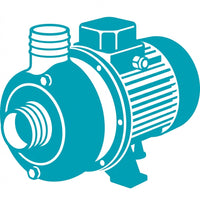



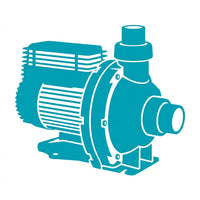
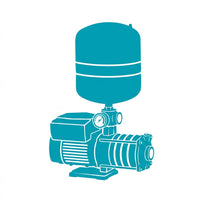



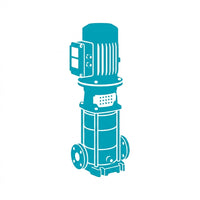


A pool pump that hums without starting, trips the circuit breaker, leaks around the motor or runs hot can quickly turn clear water into a maintenance problem. Pool pump motor replacement can be a cost-effective repair, but only when the rest of the pump is sound and the replacement motor is correctly matched to the existing system.
The wrong motor can create poor filtration, excessive power use, seal failures or premature breakdown. Before buying parts, confirm whether the fault sits in the motor, the pump wet end, the electrical supply or the plumbing arrangement.
Confirm the motor is actually the problem
Pool pump faults are often blamed on the motor because the pump will not run. In practice, a blocked impeller, failed capacitor, air leak on the suction side, seized bearings or a damaged mechanical seal can produce similar symptoms.
A motor that emits a low hum but does not turn may have a faulty start capacitor or a jammed impeller. A loud grinding or rumbling noise commonly points to worn bearings. Water appearing between the motor and pump housing usually indicates a failed mechanical seal, which should be repaired promptly before water reaches the motor bearings or windings.
If the pump trips the safety switch or circuit breaker, do not keep resetting it. Moisture ingress, damaged wiring, insulation failure or a motor winding fault may be involved. Isolate the equipment and have the electrical components checked by a suitably qualified electrician.
A useful first check is to switch off power at the isolation point, remove the pump basket lid and confirm there is no obvious debris restricting flow. Never work on a pump that is still connected to power. Pool equipment operates around water, so electrical safety is not an area for guesswork.
When pool pump motor replacement makes sense
Replacing only the motor is generally worth considering when the pump housing, lid, basket, unions and impeller are in good condition. It can be a practical option for a quality pump with a serviceable wet end, especially where the plumbing layout suits the current pump and a like-for-like motor is readily available.
It is less attractive when multiple components are worn. A cracked housing, brittle lid, damaged thread, leaking seal plate and tired motor together can make a complete pump replacement the better long-term decision. Fitting a new motor to an old wet end may restore operation, but it does not remove the risk of the next weak component failing during the season.
Age matters, but condition matters more. A well-maintained pump with an isolated motor fault may justify repair after many years. Conversely, a relatively recent pump exposed to poor ventilation, flooding, chemical damage or repeated dry running can have wider issues.
Repair versus complete pump replacement
The decision usually comes down to total repair cost, remaining component life and operating efficiency. A single-speed motor replacement may cost less upfront, but a modern variable-speed pool pump can reduce running costs where the pool has long daily filtration hours. The saving depends on your pool volume, filter condition, pipework, required turnover and local electricity tariff.
Variable-speed pumps are not an automatic upgrade for every installation. They need to deliver enough flow for filtration, heating, chlorination and water features. Some systems also need specific flow rates for a salt chlorinator or solar heating controller. Correct sizing is more useful than simply choosing the largest pump or the highest horsepower rating.
Matching the replacement motor correctly
A replacement motor must suit both the electrical supply and the pump hydraulic end. Horsepower alone is not enough. Motor frames, shaft dimensions, mounting arrangement, speed, voltage and rotation all need to align with the existing pump design.
Check the motor nameplate and record the model details before ordering. The following information helps identify a compatible unit:
- Motor brand, model and frame size
- Power rating in horsepower or kilowatts
- Voltage, phase and frequency
- Speed in RPM and rotation direction
- Shaft size and mounting configuration
- Capacitor specifications, if fitted
The mechanical seal also deserves attention. When a motor is removed, replacing the seal is generally sensible because an old seal may not reseat reliably. The seal must match the pump and suit the pool-water environment. Handle seal faces carefully during installation, as contamination or damage can cause an immediate leak.
Check the system before fitting a new motor
A new motor will not correct poor hydraulic conditions. Before proceeding, inspect the installation for restrictions and operating issues that may have contributed to the original failure.
Make sure the pump has adequate ventilation and is protected from direct weather where possible. Motors run hot when enclosed in a tight cabinet, covered with stored equipment or installed where hot air cannot escape. Keep the area clean and prevent lawn clippings, leaves and dust building up around the cooling fan.
Inspect suction pipework and unions for air leaks. Bubbles returning to the pool, a pump that loses prime, or fluctuating pressure can indicate air entering before the pump. Running dry, even briefly and repeatedly, can damage seals and overheat equipment.
Also check the filter. A heavily loaded sand, cartridge or media filter increases resistance and changes pump operating conditions. Clean or backwash the filter as required, then compare the pressure gauge reading with its normal clean operating pressure. A system that has become difficult to circulate may need more than a motor repair.
Installation and electrical safety
Motor replacement involves mechanical work and, depending on the pump and connection method, electrical work. The pump must be isolated at the switchboard and protected from accidental re-energising before any work starts. If wiring, plugs, terminals, earthing or electrical testing is required, use a licensed electrician.
During mechanical reassembly, the impeller must be correctly seated, the diffuser correctly positioned and O-rings clean and lubricated with a suitable lubricant. Do not force plastic components or overtighten fasteners, as housings and threads can crack.
Once reassembled, prime the pump housing with water before starting. Never run a centrifugal pool pump dry. Check for leaks at the mechanical seal, lid, drain plugs and unions, then confirm the pump achieves stable flow without abnormal vibration or noise.
For trade and facility applications, record the motor details, installation date, running current and normal filter pressure. This creates a useful baseline for future servicing and makes fault finding faster when conditions change.
Avoid repeating the failure
Pool pumps work hard through the Australian summer, often in heat, dust and extended run times. Routine attention can materially extend motor and seal life. Keep the basket clear, maintain water level above the skimmer opening, clean the filter on schedule and ensure the pump enclosure remains ventilated.
Listen to the pump rather than waiting for it to stop. A new bearing noise, intermittent starting or a small seal leak is usually cheaper to address early than after it damages the motor. If a replacement is required, bringing the pump model, motor nameplate details and clear photos of the installation to a specialist supplier helps ensure the selected part suits the application.
Foundation Pumps can assist with pump and motor selection where compatibility or upgrade options are unclear. The right outcome is not simply getting the pump running again, but restoring dependable circulation with equipment that suits the pool system and the way it is used.