
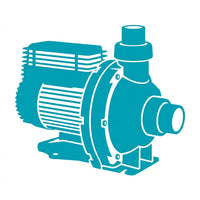




A puddle beneath the pool equipment is not always a major failure, but it should never be ignored. If you are asking, “why does my pool pump leak?”, the first job is to identify exactly where the water is escaping. A drip from a loose union needs a different fix from water running out behind the motor, and running a leaking pump can turn a small repair into damage to the motor, bearings or surrounding equipment.
Before inspecting anything, switch the pump off at the isolator and allow it to stop completely. If water is close to electrical connections, do not restart it until the cause is found and the area is dry. Pool equipment combines water and electricity, so uncertainty is a good reason to call a qualified pool technician or electrician.
Why does my pool pump leak from different areas?
The location of the leak gives the best clue to the failed part. Dry the pump and pipework with a towel, then watch closely while the system is off and again for a short period after it is running. A torch can make a slow drip far easier to see.
Keep in mind that water can track along a pipe, pump housing or mounting pad before it drops. The point where the water lands is not always the point where the leak began.
Water around the lid or pump basket
A clear pump lid normally seals with a large O-ring. If this O-ring is dry, flattened, stretched, split or dirty, water can leak from the lid when the pump is operating. A cracked lid or damaged locking ring can cause the same problem.
Remove the lid only after isolating the pump and closing any valves that may allow water to drain back from the pool. Clean the O-ring groove and inspect the O-ring closely. Apply a light coating of silicone-based pool lubricant if appropriate. Do not use petroleum grease, as it can damage some rubber compounds. If the lid is distorted or the O-ring no longer sits firmly in its groove, replacement is usually the sensible option.
A lid leak may also let air into the suction side of the system. You might notice bubbles returning through the pool jets, a pump that loses prime, or reduced circulation. These symptoms can occur even when the visible water leak is minor.
Leaking unions, valves and pipe fittings
The threaded unions at the pump inlet and outlet are common leak points, particularly after a pump has been removed for servicing or a filter has been replaced. A union can leak because its O-ring is missing, pinched or worn, or because the nut has been cross-threaded or overtightened.
Hand-tighten pump unions firmly, but do not force them with multigrips. Excess pressure can crack the nut, deform the seal or damage the pump connection. If tightening does not stop the leak, undo the union, inspect the mating surfaces and replace the O-ring if there is any doubt.
PVC pipework can also crack close to elbows, reducers and threaded adaptors. Australian conditions are hard on exposed equipment pads: heat, UV, vibration and ground movement all take their toll. A fine crack may only open once the pipe is under pressure. If a fitting is cracked, it should be cut out and replaced rather than covered in sealant. Temporary patches rarely last under pressure and can make a proper repair more difficult later.
Water leaking between the pump housing and motor
Water appearing from the gap between the pump body and motor is a more serious sign. In many cases, the mechanical seal has failed. This seal sits on the motor shaft behind the impeller and prevents pool water from reaching the motor.
Mechanical seals wear over time, but they can fail early if the pump runs dry, loses prime repeatedly, suffers poor water chemistry, or operates with a blocked impeller. A worn shaft seal often starts as an occasional drip and progresses to a steady leak whenever the pump is running.
Do not keep operating the pump in the hope that it will settle. Chlorinated or saltwater leaking into the motor area can corrode the motor shaft, damage bearings and shorten the life of the motor. Replacing a mechanical seal is a standard repair for many pool pumps, but the correct seal must match the pump model and materials of construction. If there is shaft wear, bearing noise or corrosion, assess the full pump condition before spending money on a seal-only repair.
A cracked pump housing or drain plug
The pump casing, strainer pot and drain plug can leak after impact, overtightening or freeze-related damage in colder areas. Cracks are sometimes obvious, but small cracks can hide beneath dirt or around threaded ports.
Check the drain plug and its small O-ring first. A damaged drain plug seal is inexpensive and straightforward to replace. If the pump housing itself is cracked, replacement of the damaged housing section may be possible on some models. Whether that is worthwhile depends on the pump’s age, parts availability and the condition of the motor.
How to check a pool pump leak safely
Start with the pump off and inspect the lid, drain plugs, unions, valves and visible pipe joints. Look for white mineral residue, stains, dampness and salt build-up, which can reveal a slow leak that is not actively dripping.
Next, run the pump briefly and observe from a safe distance. Do not touch the motor, wiring or terminals while the pump is energised. Check whether the leak begins immediately, only after several minutes, or only when the system is switched off. That timing matters:
- A leak while the pump is running often points to the pressure side, mechanical seal or pump lid.
- A leak when the pump is off can indicate a suction line issue, a valve that is allowing water to drain back, or plumbing positioned below the pool water level.
- A pump that leaks and draws air may have several small suction-side sealing issues rather than one obvious failure.
- Water from under the motor should be treated as a likely mechanical seal issue until inspected properly.
Repair or replace: making the practical call
Not every leak justifies a new pool pump. A lid O-ring, drain plug seal, union O-ring or accessible plumbing fitting is generally a low-cost repair. A mechanical seal can also be good value where the motor runs quietly, the pump still delivers adequate flow and genuine service parts are available.
Replacement becomes more attractive when the pump has a leaking mechanical seal plus noisy bearings, a corroded motor, a cracked housing, poor filtration flow or frequent priming problems. Repairing one failed component on an ageing pump can be false economy if another major part is near the end of its service life.
Pump selection also matters if you replace the unit. The new pump needs to suit the pool volume, filtration system, pipe size, solar heating if fitted, and any water features or cleaners on the line. A larger pump is not automatically better. An oversized pump can create excessive noise, waste energy and place unnecessary load on the filter and pipework. The right pump is one matched to the hydraulic requirements of the system.
Preventing the next pool pump leak
Regular inspections are the simplest form of prevention. Keep the pump basket clean, maintain the pool water within the recommended chemical balance, and make sure the pump is properly primed before operation. Never leave it running dry, even briefly.
Protect exposed equipment from direct weather where practical, without restricting motor ventilation. Check unions after any service work and replace worn O-rings before they become hard or flattened. If the pump vibrates heavily, investigate the cause rather than accepting it as normal, as vibration can loosen fittings and stress pipework.
A pool pump leak is usually easier and cheaper to resolve when it is dealt with early. Find the source, isolate the equipment safely, and use parts that match the pump and plumbing already in place. If the leak is near the motor or electrical connections, getting experienced pump advice before restarting is the safest way to protect both the equipment and the people using it.