





A rainwater tank can hold thousands of litres, but it is the pump system that determines whether that water is genuinely useful. A correctly specified setup delivers steady pressure to toilets, laundry taps, garden irrigation or stock troughs. This rainwater pump system guide covers the practical decisions that affect reliability, pressure and pump life.
The right arrangement depends on where the water is going, how far it needs to travel, and whether it is supplying one outdoor tap or an entire household. Choosing on price or maximum flow alone is a common cause of cycling, weak pressure and early pump failure.
Start with the water demand
Before selecting a pump, identify the fixtures or outlets that may run at the same time. A garden tap and drip irrigation line have a very different demand from a house where a shower, toilet and washing machine may operate together.
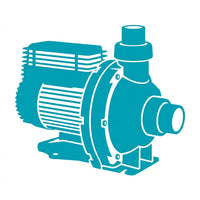
For garden-only use, a compact automatic pressure pump is often enough. It should provide adequate flow for the hose, sprinklers or irrigation zones without excessive pressure that can damage fittings or cause spray drift. If irrigation is split into zones, size the pump around the highest-demand zone rather than every zone running at once.
For household rainwater supply, look at both flow and pressure. Toilets, cold-water laundry connections and outdoor taps can normally be supplied from rainwater where plumbing is correctly designed and installed. A larger home, long pipe runs, two storeys or multiple bathrooms may need a multistage pressure pump or a pressure system with greater head capacity.
Farm and acreage applications need another level of planning. Water may be required at a shed, troughs, wash-down points and irrigation outlets spread across a property. Pipe length and elevation can take more performance from a pump than expected. A pump that performs well beside the tank may be inadequate at a trough several hundred metres away or uphill.
Flow, pressure and head: the numbers that matter
Pump specifications can look technical, but the key figures are straightforward. Flow is the volume of water delivered, usually measured in litres per minute or litres per hour. Pressure is the force available at the outlet, commonly expressed in kilopascals or bar. Head is a measure of the height and friction resistance the pump must overcome.
Do not select a pump from its maximum flow figure alone. That figure is generally measured with little or no restriction. Once the pump is connected to pipework, filters, valves, fittings and elevation changes, the available flow reduces.
Static head is the vertical lift from the tank water level to the highest outlet. Friction head comes from pipe length, undersized pipe, elbows, valves and filters. A long 25 mm line can restrict a pump significantly compared with a properly sized larger line. This is why the pump curve matters: it shows how much flow the pump can produce at a given head.
As a practical rule, map the distance from tank to outlet, the vertical rise, pipe diameter and required flow before narrowing down options. If you are replacing an existing pump, do not assume the same model or power rating is automatically right. Changes to irrigation, extensions or pipework may have changed the duty required.
Choose the right rainwater pump system
Automatic pressure pumps
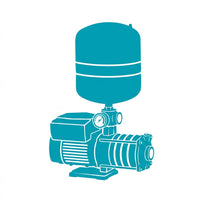
An automatic pressure pump starts when a tap opens and stops when demand ends. It is the standard option for many domestic tank systems and small irrigation applications. Units may have an electronic controller, integrated pressure control or a pressure tank arrangement.
Electronic-controlled pumps are compact and convenient, but they rely on clean water and correct installation. A suitable inlet filter and protection against running dry are worthwhile, particularly where tank water can contain fine debris. Pressure tank systems can reduce pump starts during small draws of water and may be preferable where demand is frequent or variable.
Multistage pumps for higher demand
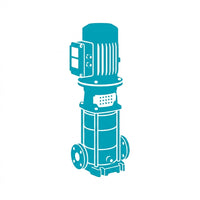
Multistage pressure pumps are designed to produce stronger pressure across a wider range of flows. They suit larger homes, long runs, elevated sites and applications where several outlets may operate at once. They are commonly a better choice than simply fitting a larger single-stage pump when pressure consistency is the priority.
The trade-off is that higher-performance systems need accurate sizing. Oversizing can lead to excessive cycling, higher energy use and unnecessary stress on pipework. Undersizing produces disappointing shower pressure and poor irrigation coverage.
Submersible rainwater pumps
A submersible pump sits inside the tank and pushes water rather than drawing it through a suction line. This can be useful where the tank is remote, noise needs to be reduced, or suction lift is difficult. It also removes the need to prime an above-ground pump.
However, access for servicing needs consideration. Ensure the installation allows the pump to be retrieved safely, and use a suitable intake arrangement so sediment at the bottom of the tank is not continually drawn into the system.
Installation details that protect the pump
A quality pump cannot compensate for poor installation. Position an above-ground pump on a stable, level base close to the tank where possible. Keep it dry, protected from direct weather and accessible for inspection. A small pump cover can help, provided it allows sufficient ventilation and does not trap heat.
The suction line must be airtight. Even a minor air leak at a threaded connection can cause loss of prime, surging or intermittent operation. Use pipe and fittings sized for the pump inlet, minimise unnecessary bends, and fit an isolation valve so the pump can be serviced without draining the tank.
A screened floating pickup is often a sound choice for rainwater tanks. It draws cleaner water from below the surface rather than from the sediment layer at the bottom. Where a fixed bottom outlet is used, a strainer and appropriate filtration become even more important.
Install a non-return valve where required to prevent water draining back and causing priming issues. On the discharge side, use pressure-rated pipe and fittings. Flexible connectors can reduce vibration transfer, but they should be correctly rated and supported.
Electrical work must be completed by a licensed electrician. Pumps should be connected to an appropriately protected circuit, and outdoor connections need to suit the location and exposure. If the system is connected to household plumbing or has mains backup, use a licensed plumber and ensure the design complies with applicable Australian plumbing requirements. Rainwater and drinking water must be protected from cross-connection risks.
Filters, dry-run protection and mains backup
Rainwater is generally cleaner when the catchment and gutters are maintained, but it still carries debris, sediment and fine particles. A leaf diverter or gutter guard helps before water reaches the tank. At the pump, a strainer or cartridge filter protects impellers, seals and controllers.
Filter selection depends on the application. A coarse filter may be sufficient for garden use, while domestic appliances and toilet valves usually benefit from finer filtration. Filters need regular cleaning or replacement. A blocked filter can look exactly like a weak or failing pump because it restricts flow at the inlet or outlet.
Dry-run protection is valuable when tank levels can fall low. Running dry can damage mechanical seals and shorten the life of many surface pumps. Some systems include dry-run protection in the controller, while others use a float switch or level sensor.
If rainwater supplies essential household fixtures, consider what happens when the tank is empty. A compliant mains changeover arrangement can maintain supply without allowing mains water to backflow into the rainwater system. This is not a DIY shortcut: correct separation and valve arrangement are critical.
Maintenance that prevents call-outs
A rainwater pump system does not need constant attention, but small checks prevent most avoidable faults. Every few months, inspect the pump area for leaks, vibration, corrosion and signs of pests damaging wiring or pipework. Clean strainers and filters according to water quality and usage, not just the calendar.
Listen for changes in operation. A pump that starts repeatedly when no tap is open may indicate a leaking toilet valve, irrigation leak, faulty non-return valve or pressure-control issue. A pump that runs but produces little water may have lost prime, blocked filtration, a closed valve or a suction air leak.
Keep gutters, roof catchments and tank screens clean. This protects water quality and reduces the sediment load reaching the pump. For systems serving a home, test operation at more than one outlet and check that the pump stops cleanly once water demand ends.
When to get pump selection advice
Straightforward garden systems are often easy to match, but it pays to seek technical advice for whole-house supply, long-distance transfer, steep sites, multi-zone irrigation or mains changeover arrangements. Provide tank capacity, pipe size, pipe length, vertical lift, outlet demand and the number of outlets likely to run together. Those details allow a pump to be selected for its actual duty, not a guess.
Foundation Pumps can assist with application-based pump selection, replacement parts and ongoing servicing where a system needs more than a like-for-like replacement. The goal is not simply to move water. It is to deliver the required flow and pressure reliably, with components that can be maintained when they need attention.
A well-planned rainwater system turns stored water into a dependable working supply. Get the pump, pipework and protection devices right at the start, and routine maintenance becomes far simpler.