
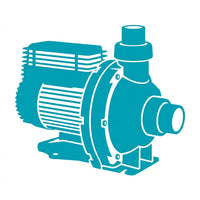
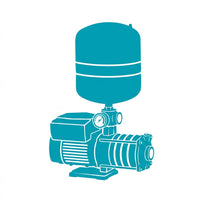



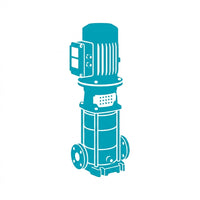


A pump that suddenly changes its sound is giving you useful information. If you are asking, why is my pump noisy, the answer may be as simple as a loose cover or as serious as a blocked suction line, failing bearing or dry-running condition. The sound, when it occurs, and whether water flow has changed will usually point you in the right direction.
A steady low mechanical hum is normal for many pumps. Loud rattling, grinding, screeching, repeated clicking or a sound like stones moving through the casing is not. Acting early can prevent a relatively small repair from becoming a damaged motor, seal or impeller replacement.
Why is my pump noisy? Start with the type of sound
Different noises tend to indicate different faults. Before touching the system, listen from a safe distance and note whether the pump is still delivering normal pressure or flow. Also pay attention to whether the noise starts only when a tap opens, during irrigation cycles, after heavy rain, or whenever the pump is switched on.
Rattling or vibrating
Rattling is commonly caused by loose mounting bolts, pipework touching a wall or frame, a loose pump cover, or an unsecured pressure vessel. Vibration travels easily through rigid pipework, metal brackets and timber floors, so the loudest point is not always where the fault is.
Check that the pump base is firm and level, and that all visible fasteners are secure. Do not overtighten plastic fittings or crack a pump housing trying to eliminate a vibration. If a pressure pump is mounted directly to a lightweight wall or deck, fitting suitable anti-vibration mounts or improving the base can make a significant difference.
Grinding, rumbling or a harsh mechanical noise
A grinding or rumbling sound often points to worn motor bearings, a damaged impeller, debris inside the pump, or a mechanical seal beginning to fail. On pool, sump and transfer pumps, leaves, grit, hair and small stones can enter the strainer or impeller area and cause noise well before the pump stops working.
Isolate power before opening any strainer basket, inspection cover or pump casing. Clean accessible debris and inspect the impeller only if the manufacturer’s instructions allow it. If the impeller is clear but the pump still grinds, do not keep running it in the hope it will settle down. Bearing and seal faults normally worsen with operation.
High-pitched squealing or screeching
Squealing can come from motor bearings, a worn seal, a damaged cooling fan or a drive belt on belt-driven equipment. It may also occur briefly as a pump starts, particularly where a motor is under load or has an electrical starting issue.
A squeal that appears with water leaking from beneath the motor is a strong reason to arrange an inspection. Water reaching the motor area can create both mechanical damage and an electrical hazard. Switch the unit off at the isolator or circuit breaker and avoid restarting it until it has been assessed.
Clicking, rapid cycling or repeated starting
A pressure pump that clicks on and off every few seconds is not necessarily noisy internally, but it is operating noisily because the system is cycling too often. Common causes include a leaking tap, toilet cistern, irrigation valve or underground line. A failed non-return valve, loss of air charge in a pressure vessel, or faulty pressure controller can produce the same symptom.
First, turn off all outlets and watch whether the pump continues to start. If it does, there is likely a leak or pressure loss somewhere in the system. Repeated cycling is hard on motors and controls, so it is worth locating the cause promptly.
A crackling or sound like marbles in the pump
This is a classic sign of cavitation. Cavitation occurs when pressure at the suction side drops low enough for bubbles to form in the water, then collapse violently inside the pump. It can sound like gravel or marbles circulating through the casing and can erode impellers over time.
Cavitation is more likely when the suction pipe is too small, too long, partially blocked, leaking air, or lifting water from a depth beyond the pump’s practical suction capability. A blocked foot valve or strainer, low tank level, hot water, or a pump asked to deliver more flow than the suction arrangement can support may also be responsible.
Check the simple causes safely first
Many pump noise issues can be narrowed down without dismantling the motor. Isolate electrical power before handling the pump, removing covers or checking fittings. If the pump has overheated, allow it to cool before inspecting it.
Work through these practical checks:
- Confirm the pump has water available and is correctly primed where priming is required.
- Clean strainers, skimmer baskets and accessible filters that may be restricting flow.
- Look for suction leaks at unions, O-rings, threaded fittings, foot valves and pipe joints.
- Check for loose mounting bolts, vibrating pipework and objects resting against the pump or motor fan cover.
- Inspect for water leaks, corrosion, cracked fittings or a wet area beneath the motor.
- Make sure isolation valves are fully open and no hose or pipe has been crushed, kinked or blocked.
Noise problems vary by pump application
The same noise can have a different cause depending on the job the pump performs. A domestic rainwater pressure pump may rattle because it is mounted on a resonant timber platform. A pool pump may rumble because the basket is blocked or the bearings are worn after years of service. A sump pump may sound rough because sediment has entered the impeller after a storm event.
For irrigation and farm transfer systems, suction-side restrictions deserve close attention. Long runs from dams, tanks or waterways need correctly sized suction pipe, sound joints and a suitable foot valve. A pump can appear powerful at first but become noisy, lose flow and cavitate once demand increases.
In commercial, wastewater or industrial systems, unusual noise may be tied to duty point, control settings, valve position or a mismatch between the pump and the system. A pump operating too far from its intended performance range can vibrate, recirculate internally and wear prematurely. This is where a basic visual check is not enough. Flow, pressure, current draw and system design may need to be reviewed together.
When noise means you should stop the pump
Some conditions justify immediate shutdown rather than further troubleshooting. Stop the pump and arrange qualified assistance if there is a burning smell, smoke, tripped electrical protection, exposed wiring, water entering the motor, severe vibration, a seized shaft or a sudden loss of flow accompanied by loud mechanical noise.
Also take care with pumps connected to mains power, bore installations, sewage systems and firefighting equipment. These applications may involve electrical isolation requirements, contaminated water or critical system performance. A repair that seems straightforward can create a safety issue or leave the system unsuitable for its intended duty.
Repair, service or replace?
The right option depends on the pump’s age, duty and the fault found. Replacing a worn seal, O-ring, capacitor, pressure switch or impeller can be sensible where the motor and casing remain in good condition. A noisy bearing can sometimes be repaired, but the decision should account for labour, parts availability and whether water has already damaged the motor.
Replacement is often the better long-term call when a domestic pump has a failed motor, significant corrosion, repeated priming problems or a history of repairs. It may also be an opportunity to correct the original issue, such as an undersized pump, poor suction arrangement or insufficient pressure vessel capacity. Selecting by flow, pressure, pipework and water source is more reliable than simply matching motor size.
For larger agricultural, commercial and industrial pumps, a repair assessment is usually worthwhile. The cost of downtime, access to spare parts, motor condition and the application’s required flow all influence the decision. Foundation Pumps can assist with application-based advice and workshop support where a system needs more than a like-for-like replacement.
A noisy pump is rarely just an annoyance. Record the sound, check the water supply and visible installation issues, then stop operating the unit if the noise is harsh, sudden or accompanied by leaks or poor performance. The sooner the cause is identified, the better the chance of keeping the repair practical and the water system dependable.